

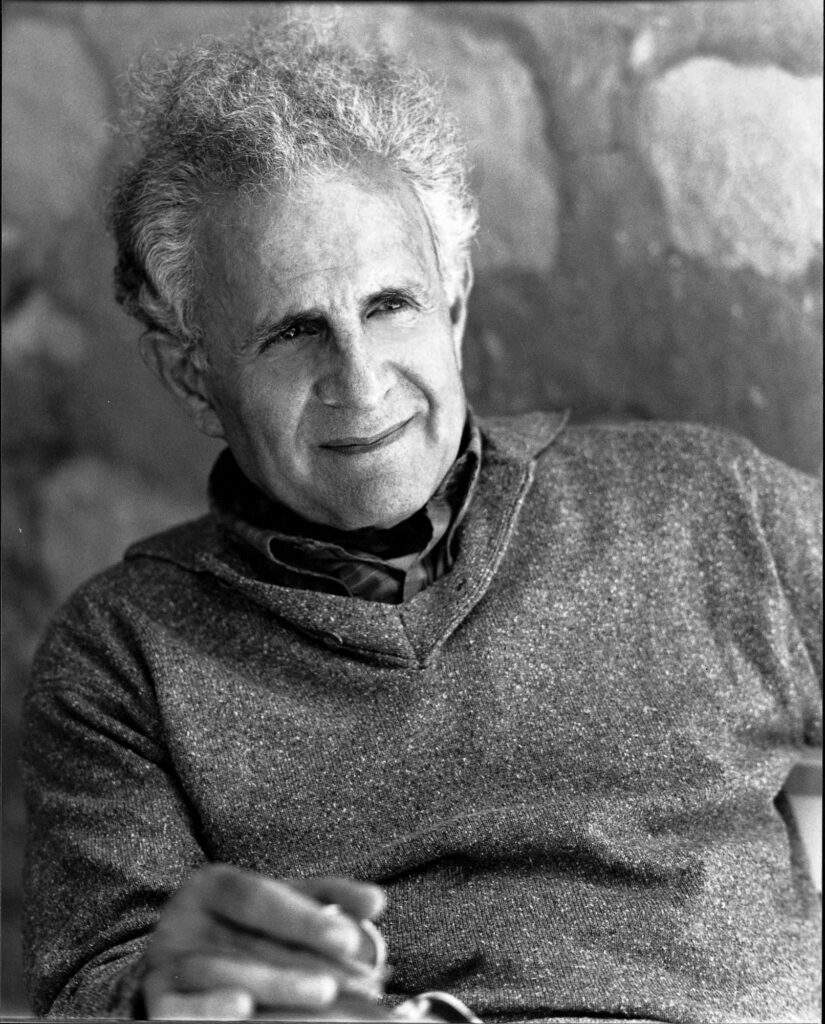
Nicos Shacolas, the businessman who built one of Cyprus’s largest business empires from the foundations of a large family in Karavas, has died at the age of 99.
Shacolas was born on 1 December 1927 in Karavas, the youngest of eight children in the family of Kyprianos Shacolas. His was a typical rural family in which his mother played a central, dominant role, always waiting for her children to eat before she did. His father was a man of hard labour, working long hours as a small-scale contractor.
A grandfather’s influence
At the age of six, Shacolas grew close to his grandfather, Hadjimatthaios Stavrinos, and grandmother, Hadjianastasia. His grandfather, who had been bedridden for years following an accident, became a formative influence in his life, and the bond between the two grew particularly strong as the young Shacolas spent many hours by his side.
His grandfather, himself a merchant, became a catalyst for Shacolas’s own path into business. A saying his grandfather often told him — roughly translating to “either act, or think it through, or Cyprus will be left without” — stayed with him throughout his later life. His grandfather was reportedly also the first person to believe Shacolas would one day become a great merchant, recognising the inclination in his grandson from his own experience in the trade.
Education and early ambition
As a teenager studying at the Samuel Commercial School in Nicosia, Shacolas applied for his first loan, of between 2.5 and 5 pounds, aiming to buy a small cart to sell goods on Ermou, Onasagorou and Ledra streets. Although he had income at the time from working in Nicosia shops, he wanted independence and had ambitions of starting his own business. He never took out that loan, as his parents dissuaded him, believing he was too young.
He was nonetheless hardworking, spending his summers on construction sites with his father, learning early that hard work and continuous effort were the essential ingredients of success. His father had hoped he would become a lawyer or a banker, but Shacolas was drawn to commerce instead.
His plans to study abroad were disrupted by the Second World War, though he later attended academic programmes in business, commerce, ship ownership and navigation. After graduating, he applied for a job at a bank, while working in the meantime at a business owned by a friend of his father’s that operated a factory.
The dream takes shape
In 1951, Shacolas worked with a French merchant who entrusted him with half a million pounds — an astronomical sum for the time — to bring products from Turkey needed for domestic consumption, as Cyprus was then suffering from drought and minimal agricultural output. The journey was a complex and dangerous undertaking, requiring negotiations with merchants, banks and shipping companies.
That experience led him, in 1953, to decide to start his own company. He met with bank directors, with whom he developed strong business relationships, and secured his first loan of 5,000 pounds without guarantees. His company focused on agricultural exports, and his ambitions were large from the outset.
Working methodically and opening stores, he succeeded by the 1960s in making his company the largest agricultural exporter in Cyprus. He exported to neighbouring countries as well as further afield, including cereals to Libya and lentils, cumin and aniseed to New Guinea.
The destruction of the invasion, and a boat journey to Beirut
In 1963, he founded his first company outside Cyprus, NKS Eurotrade (UK) Ltd, based in London, which continues to operate today. That same year, however, intercommunal unrest on the island cost him a large number of stores, land and goods.
He worked to rebuild his business back to its original scale and beyond, and by 1970 had achieved dramatic growth both in Cyprus and abroad, expanding into shipping, insurance, investment and construction. In 1974, the Turkish invasion struck his businesses hard, causing major destruction.
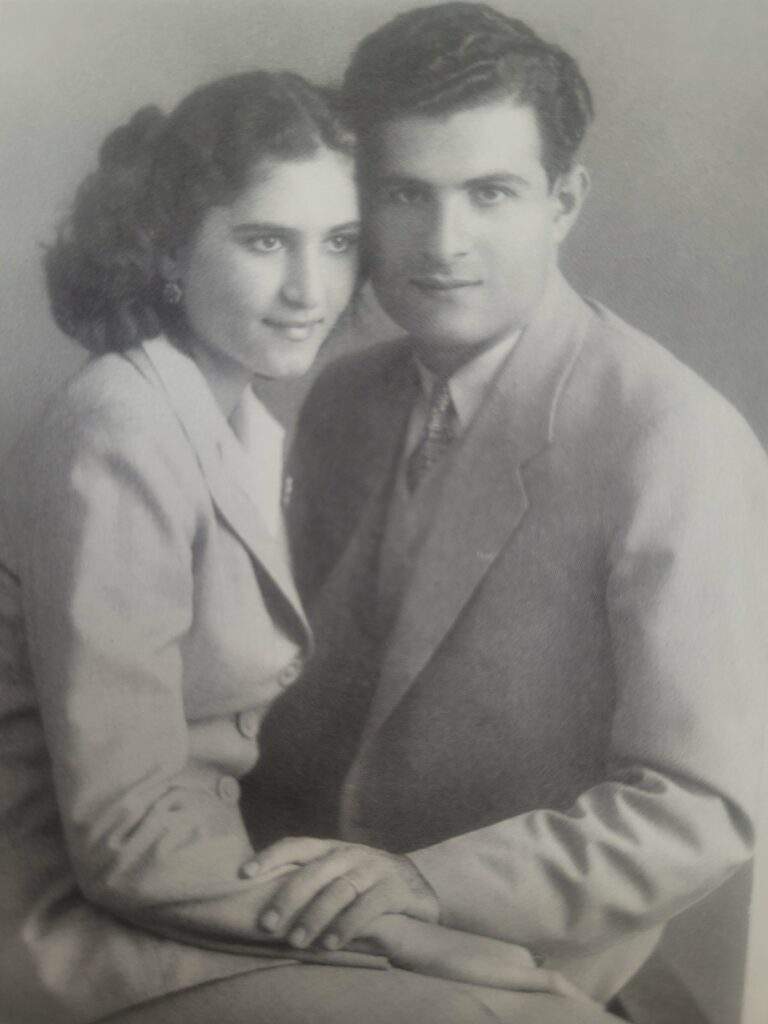
Most of his employees became refugees. He lost his stores in Famagusta and Morphou, and his land in Famagusta, Kyrenia and Nicosia. He decided to travel to Beirut, by then married to Elpida, with whom he had four children: Chrysoula, Eleni, Marios and Marina.
He made the journey to Beirut by small boat, aiming to assess prospects there, recover money owed to him, and reassess his relationships with business partners. After research, he settled on cement, identifying demand in Lebanon and Egypt, and travelled again by boat to Lebanon with a large quantity of it. His partners paid what they owed him and helped him sell the cement, and his business acumen helped him get back on his feet.
Building an empire
Through these difficulties, Shacolas went on to acquire so many companies over his career that, it is said, he struggled to name them all. Among them was the Shacolas Group, one of the largest economic organisations in Cyprus, active across a wide range of services and products. The group excelled in commercial real estate and major investments, including airports and golf courses, and its shopping centres, department stores, large DIY outlets and chain stores span the entire Cypriot market.
The group’s activities expanded to London, Greece, Russia, Nigeria, Gulf Arab states and elsewhere.