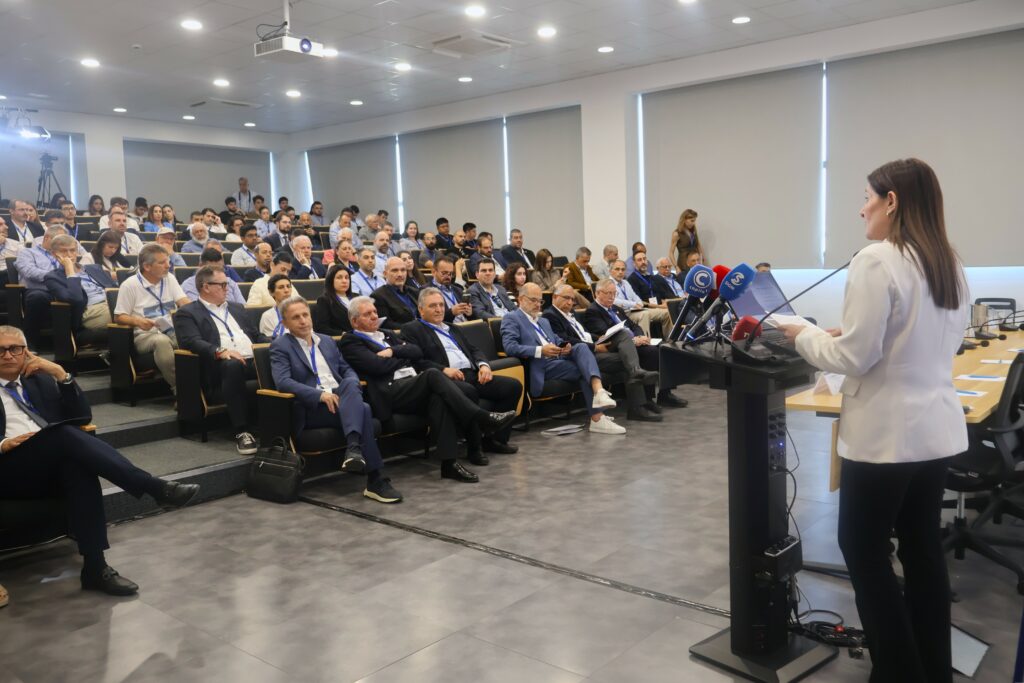
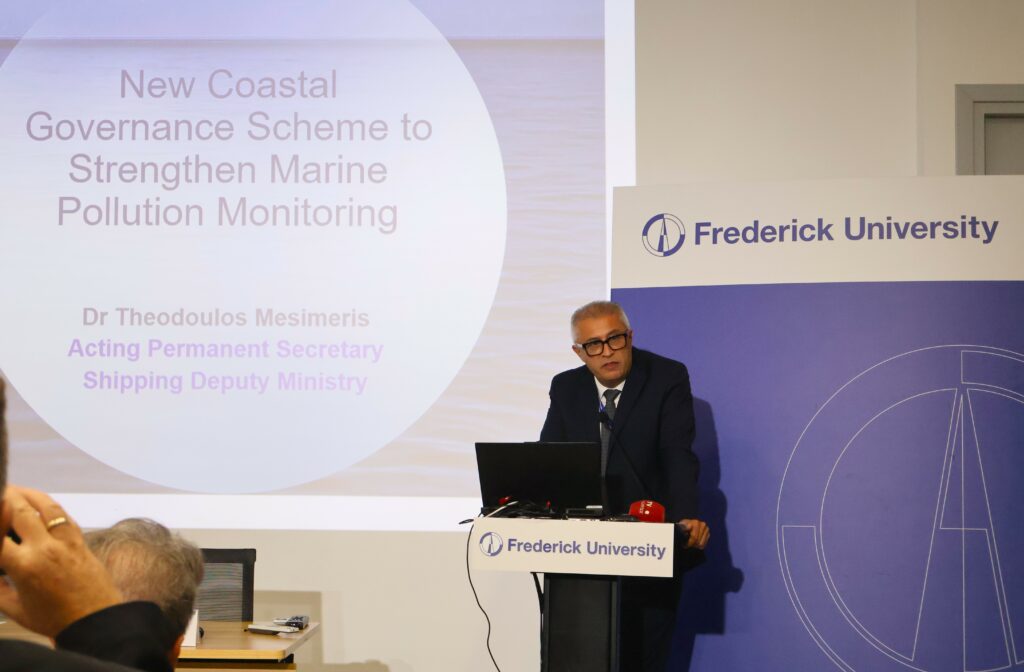
The government has unveiled a marine pollution action plan containing seven short-term measures to be implemented before this summer and a further set of medium-term measures with an 18-month implementation horizon, Acting Permanent Secretary of the Deputy Ministry of Shipping Dr Theodoulos Mesimeris announced at the Blue Limassol Forum last Friday.
The forum was co-organised by Limassol Municipality and Frederick University’s Department of Shipping and Commerce.
Deputy Minister of Shipping Marina Hadjimanolis said the success of the initiative depends on bridging the relationship between land and sea, a view echoed by other speakers at the forum.
Background
The action plan was developed by the Committee for the Prevention and Management of Marine Pollution, established by the Council of Ministers in January 2024 on the initiative of the Deputy Minister of Shipping, following consultations with all relevant bodies. The committee is coordinated by the Director General of the Deputy Ministry of Shipping and includes representatives from various public and academic bodies.
In February 2025, the Council of Ministers approved the establishment of a Pollution Management Supervision and Coordination Group (OESAR), expected to be staffed within 2026.
OESAR’s remit includes proposing improvements to the application of relevant legislation, streamlining existing procedures, developing digital tools for monitoring and data analysis, publishing findings, and coordinating action between services. A dedicated digital platform is being developed under the EMMERA project, a regional cooperation initiative between Cyprus, Greece and Israel, and will be made available to the committee.
Short-term measures
The following actions are planned for implementation before the current summer season:
- Action 1: Intensified monitoring of bathing waters, with fortnightly sampling at Blue Flag beaches and sensitive areas including Deryneia–Agia Thekla, Moni–Akrotiri (Lady’s Mile) and Dhekelia–Mackenzie, and monthly sampling elsewhere. Implementing bodies: Department of Environment, Health Services, State General Laboratory and local authorities.
- Action 2: Procurement of specialist marine pollution monitoring and response services in designated sensitive coastal areas including port facilities. Implementing bodies: Municipalities of Limassol, Amathountas, Larnaca, Paralimni–Deryneia and Ayia Napa. Extension to additional areas is also under consideration.
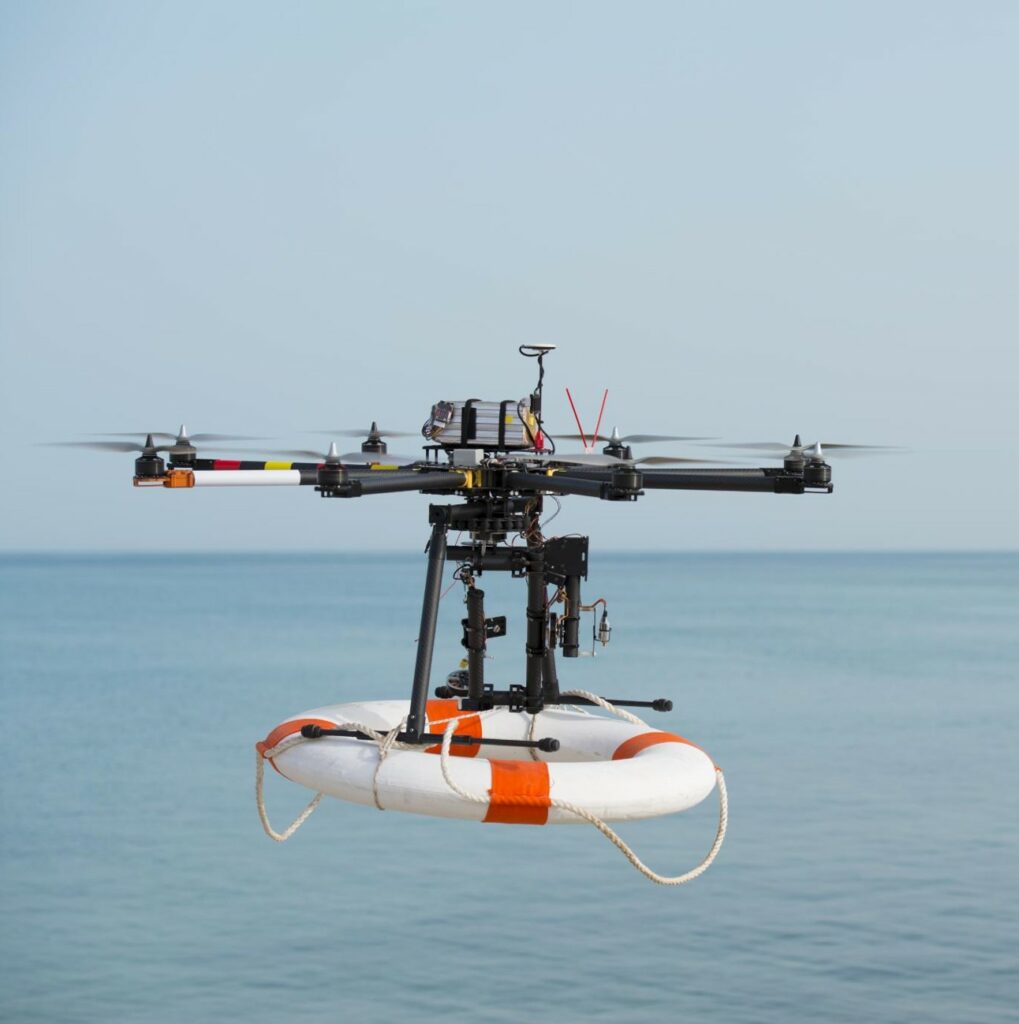
- Action 3: Intensified drone surveillance in selected marine areas — Limassol, free Famagusta and Polis Chrysochous — during the period July to November. Implementing body: Deputy Ministry of Shipping in cooperation with other relevant bodies.
- Action 4: Installation of monitoring sensors in selected marine areas including port facilities, for real-time recording of pollution indicators and immediate transmission of data to the relevant authorities via the committee. Implementing body: Deputy Ministry of Shipping in cooperation with other relevant bodies.
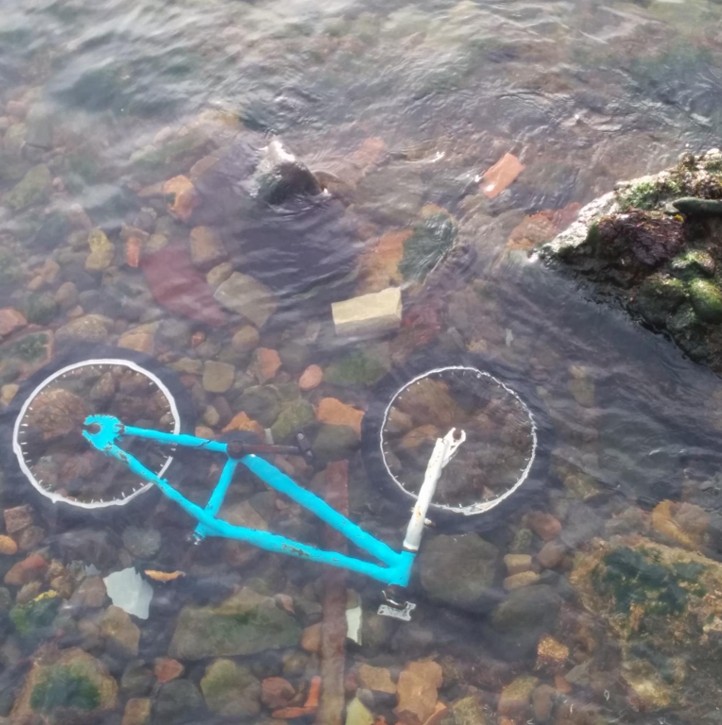
- Action 5: Remediation of problem areas posing a marine pollution risk — implementation of a comprehensive cleaning and management plan for the drain in the Akrotiri area near Makria Lake, to address discharges with high microbiological load and prevent recurrence. Implementing body: DLGO Limassol.
- Action 6: Targeted public awareness and information campaigns in coastal and port areas on marine pollution and the committee’s work. Implementing bodies: Deputy Ministry of Shipping, Cyprus Ports Authority, Department of Fisheries and Marine Research, Deputy Ministry of Tourism, local authorities, NGOs.
- Action 7: Intensified inspections of all activities and installations linked to a high risk of marine pollution. Implementing bodies: Deputy Ministry of Shipping, Cyprus Ports Authority, Department of Fisheries and Marine Research, Deputy Ministry of Tourism, Department of Environment and local authorities.
Medium-term measures
The following measures are planned for implementation within 18 months:
- Additional institutional arrangements and best practices for the effective application and enforcement of existing legislation.
- Use of technology to prevent marine pollution incidents, particularly from coastal vessels and maritime activities.
- Differentiated and stricter penalties for those responsible for marine pollution incidents.
- Recording, investigation, monitoring, management and analysis of all reported marine pollution incidents, including through a dedicated digital platform.
- Development of appropriate infrastructure for the reception and management of waste from coastal and other vessels.
- Exploration of the designation of additional protected marine areas.
Hadjimanolis and other forum speakers said the success of the initiative depends on bridging the relationship between land and sea, and that Limassol, as the Eastern Mediterranean’s leading shipping and commercial centre, must demonstrate that economic development and the blue economy can coexist with environmental sustainability.
The action plan is now ready, they said, with the challenge shifting to its strict and consistent implementation.