

Cyprus’s defence industry is staking a claim in one of the fastest-moving sectors in modern warfare. Cyprus-based Swarmly Aero develops unmanned aerial and maritime systems that are increasingly central to debates about deterrence, surveillance, and the modernisation of the National Guard. Phileleftheros visited the company’s facilities and observed the production and assembly process firsthand, at a time when drones have become a critical asset for small states facing asymmetric threats.
In an interview with Phileleftheros, company director Gary Rafalovsky explains why Cyprus was chosen as Swarmly’s home base, how the company translates innovation into battlefield-ready systems, and what role unmanned platforms can play in strengthening the Republic of Cyprus’s deterrence capability. He addresses the donation of two H-10 Poseidon drones to the National Guard, the company’s export ambitions, and the importance of these systems for monitoring the Exclusive Economic Zone and protecting an island state.
The conversation also touches on the broader strategic dimension of unmanned systems, which Rafalovsky argues can serve as a form of asymmetric deterrence — raising the cost of any hostile military action against Cyprus to a level no adversary would find acceptable. The company’s experience supplying unarmed tactical surveillance platforms to Ukraine through authorised commercial distributors provides constant feedback for its technological development, illuminating how defence technology adapts to the demands of modern warfare.
Why did you choose Cyprus as the base for your company?
We founded the company in Cyprus in 2018. As is often the case with decisions like this, it was a combination of circumstance and deliberate choice. Two of the three founders were already living here permanently, so it was natural to set up operations in Cyprus. At the same time, Cyprus offered clear advantages: widespread use of English, membership of the European Union and the eurozone, a corporate legal framework based on British common law, and excellent weather conditions that allow us to test equipment year-round.
What innovations has your company developed, and what can we expect next?
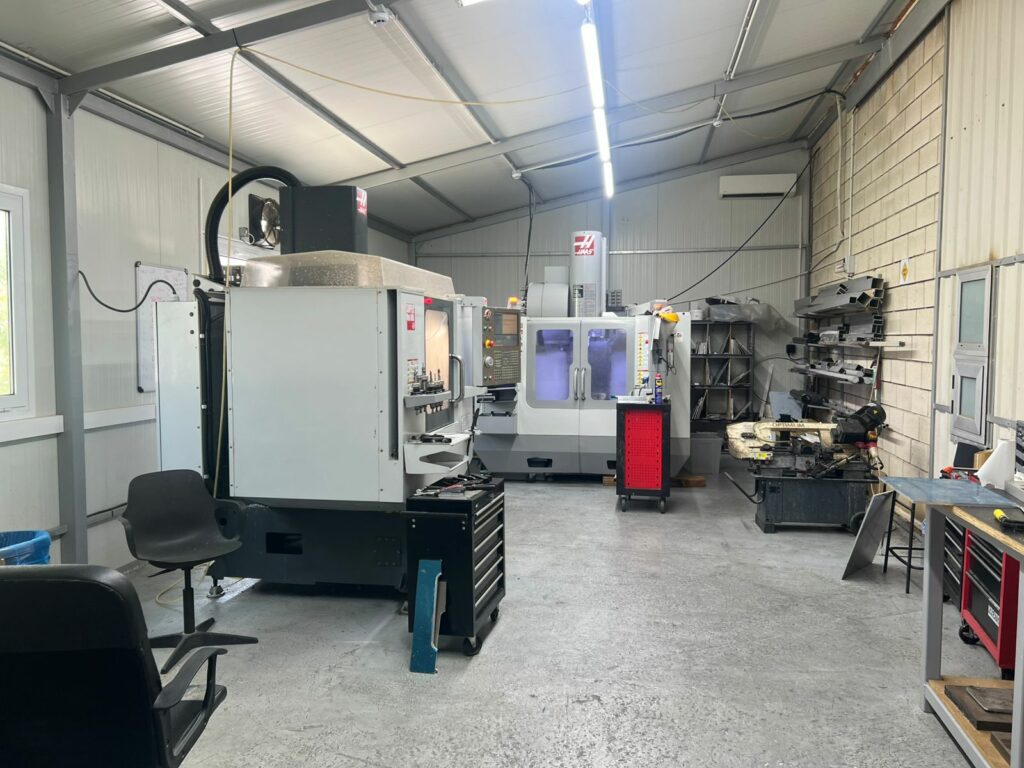
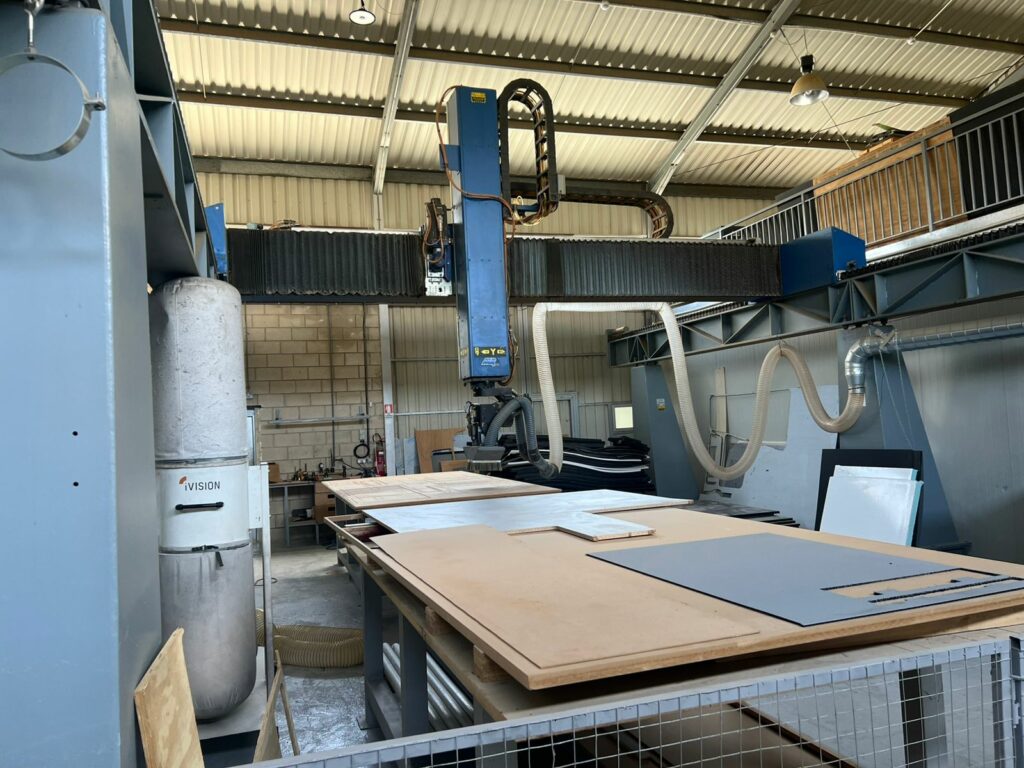
Our core innovation isn’t limited to any single product feature. It’s a fundamental rethinking of traditional R&D, engineering, and manufacturing processes — a response to the rapid pace of change in the unmanned systems industry. Rather than spending months or years developing incremental technological improvements, we monitor innovation across the sector at very high speed, identify the most promising and effective solutions, and — wherever possible — turn them into robust, reliable, operationally ready systems within days or weeks.
The unmanned systems industry is increasingly seen as the future of defence globally. What drew you to this sector?
Swarmly was founded in 2018 with a clear focus on unmanned systems technology, so we have been working in this field for eight years as a Cypriot company. The core technical team behind our systems has, on average, more than twelve years of experience in unmanned systems technology. For many of our team members, this is the third or fourth unmanned systems company they have worked for during their careers. In other words, this sector is not a side project for us — it is the centre of our professional lives.
You have managed to export systems to countries outside the European Union, and on the strength of those exports you have been described as Europe’s largest exporter of drones to non-EU countries. Are there new markets you are planning to enter in the near future?
The main regions we are focusing on for expansion remain Africa, the Middle East, Southeast Asia, and Latin America. These are markets that value proven, robust solutions for immediate operational needs — not theoretical ideas or systems still at the research stage.
You have previously said you support, and will continue to support, the local economy. How many people work at your facility, and how many of them are Cypriot?
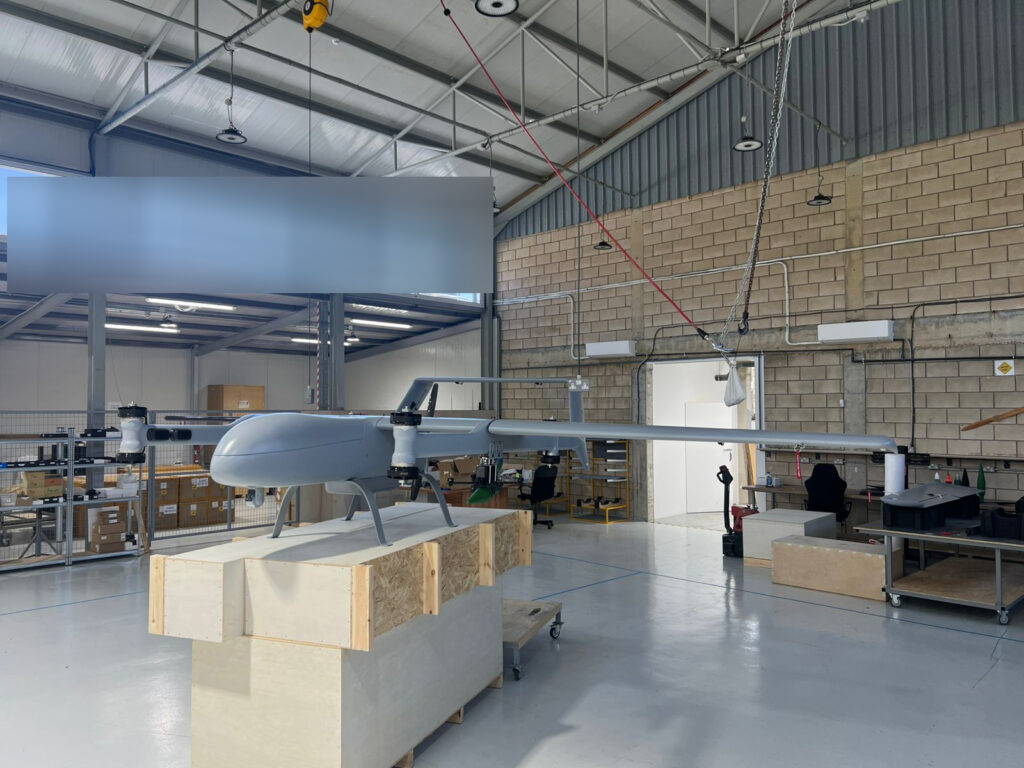
All of our company’s core operations are based in Cyprus, including business development, R&D, engineering, and manufacturing. In that sense, all 45 of our employees are Cyprus residents who consider Cyprus home. In terms of citizenship, 36 of the 45 are Cypriot nationals. We also maintain support centres in two other countries, staffed by local personnel.
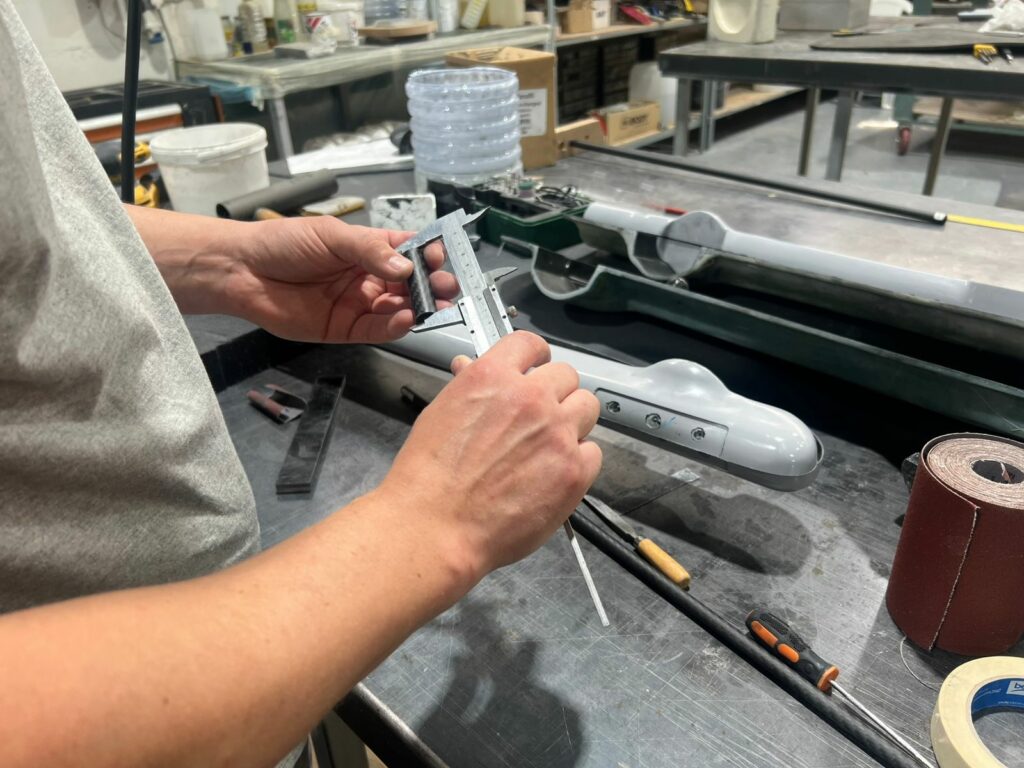
We recently saw your generous donation to the National Guard — two H-10 Poseidon unmanned aircraft for use by the Artillery. What prompted that decision, and can we expect similar moves in the future?
For anyone who lives and builds their life in a country, security and stability are fundamental. Nobody wants wars, natural disasters, epidemics, or other catastrophic events that disrupt normal life, prosperity, and the prospect of a better future. Given the sector we operate in, we believe we can and should make a practical contribution to Cyprus’s security. Our families live here, our business is here, and our future is bound up with Cyprus remaining a safe and successful place to live. We know our equipment can help the National Guard maintain and enhance its capabilities — strengthening deterrence and contributing to the country’s protection. We will continue to look for responsible ways to support Cyprus wherever our capabilities can make a meaningful difference.
The National Guard is in a continuous process of modernisation and is working to incorporate new technologies — such as those you produce — into its operational planning. Do you believe these technologies can be a game-changer for the balance of forces with the Turkish military in the occupied territories?
Unmanned systems technologies have already become a game-changer in modern warfare, particularly as a form of asymmetric deterrence. Their role will continue to grow as systems become more precise, resilient, and autonomous. For the first time in its history, Cyprus has a realistic opportunity to develop a deterrence capability that can raise the cost of any hostile military action against it to a level no potential adversary would find acceptable. But this is not only about unmanned systems. It also involves alliances, economic resilience, political strategy, and the determination of the population to defend its way of life. In practical terms, Cyprus has the ability to make any military action against it prohibitively costly — without imposing an unsustainable economic or political burden on the country. Whether and how this opportunity is seized depends on the determination and priorities of the government.
We know that unmanned systems using navigation systems can be subject to interference and interception. What sets your systems apart?
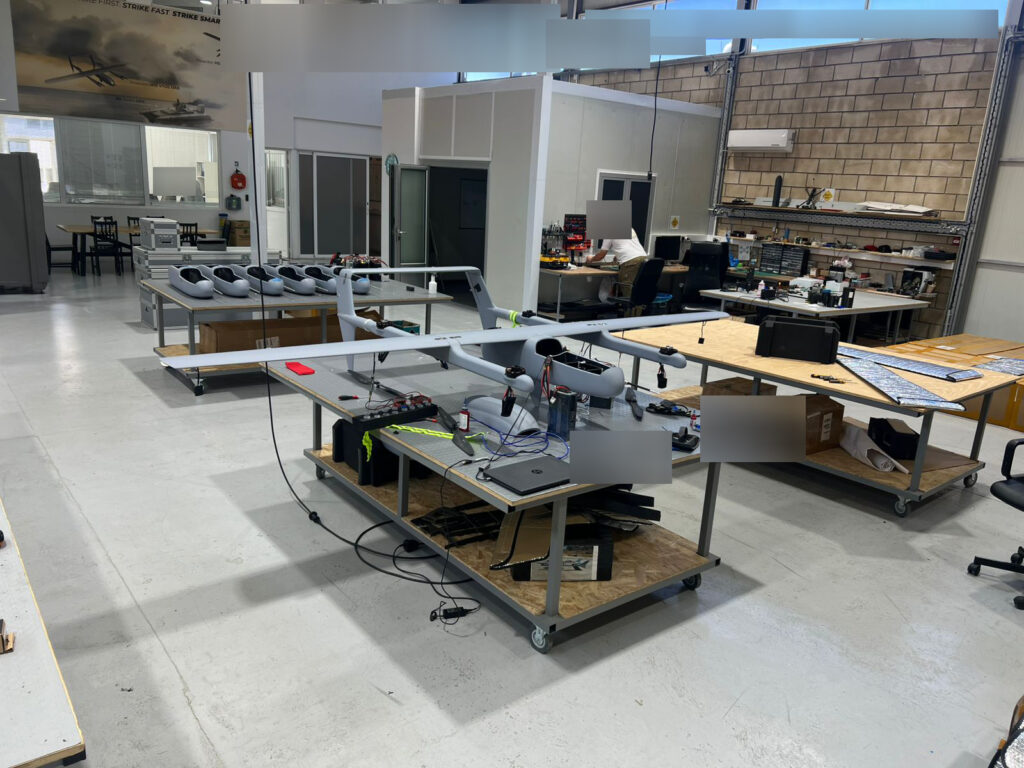
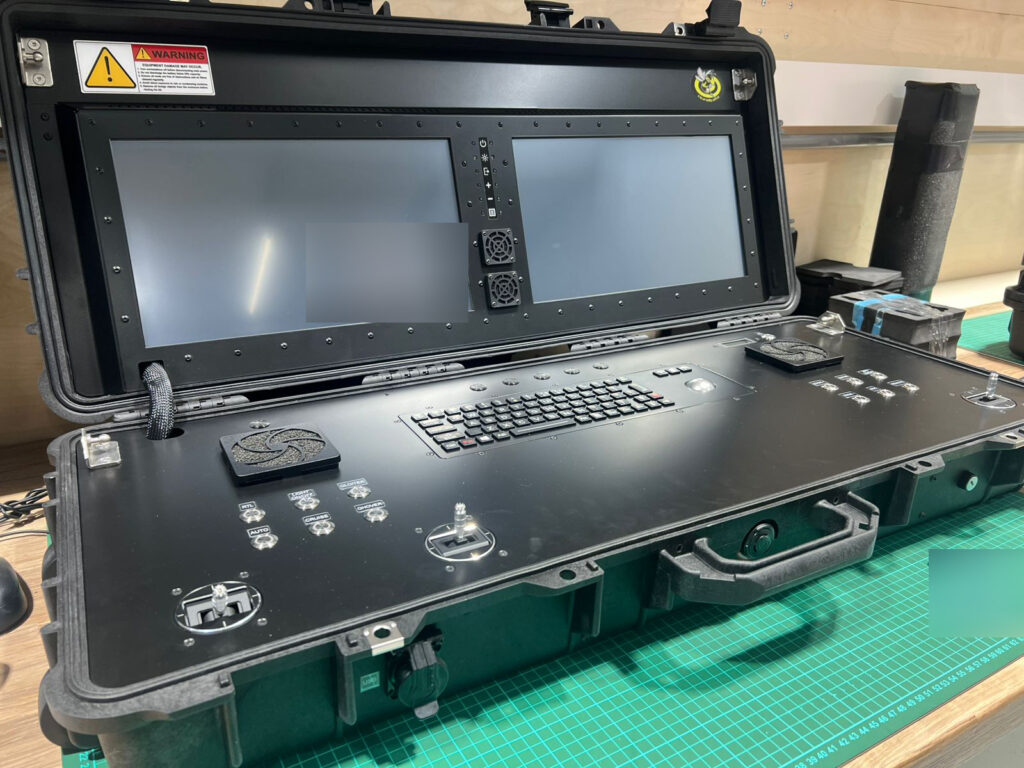
On modern battlefields, hostile electronic jamming is the rule, not the exception. Many people in Cyprus have experienced something similar in everyday life — navigation apps suddenly showing them at Beirut airport while they were actually driving on the A1 motorway. That was an instance of navigation signal interference, and conditions on an actual battlefield are far more challenging. To remain operationally useful, unmanned systems must be resilient in that environment. I would not frame it simply as a comparison of our systems against others. The essential point is that our systems are designed and tested under real-world conditions so that they can continue to function in hostile electromagnetic environments.
As an island state, Cyprus needs effective control and surveillance of its Exclusive Economic Zone. Do you believe innovations such as USVs can meet that need?
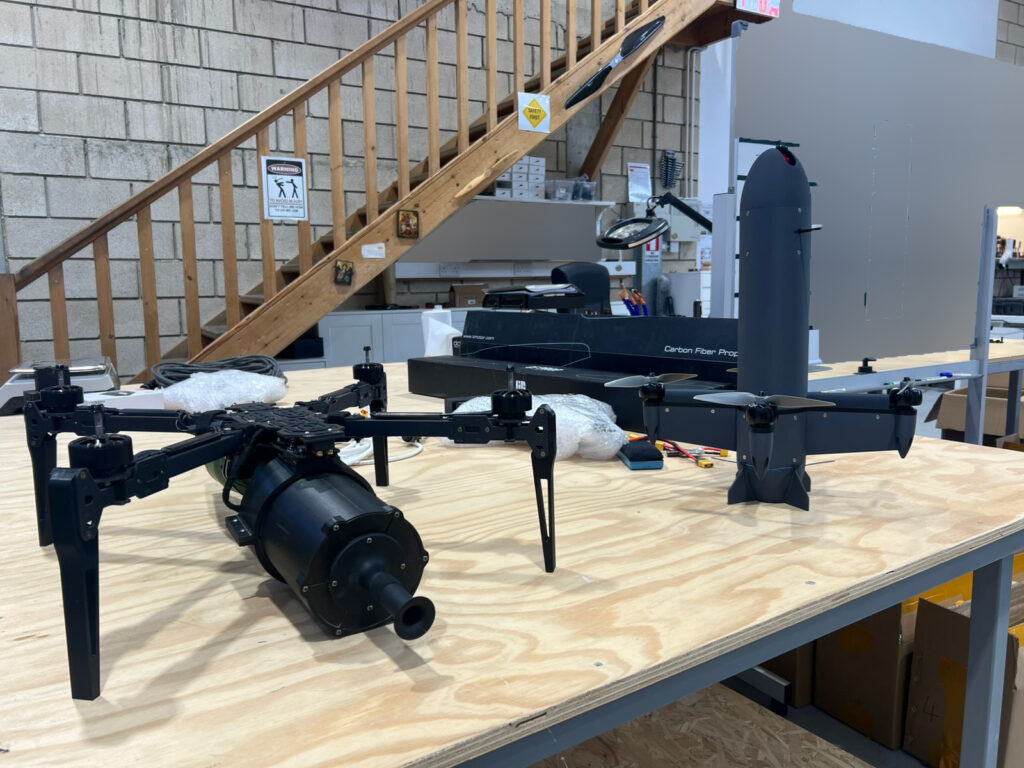
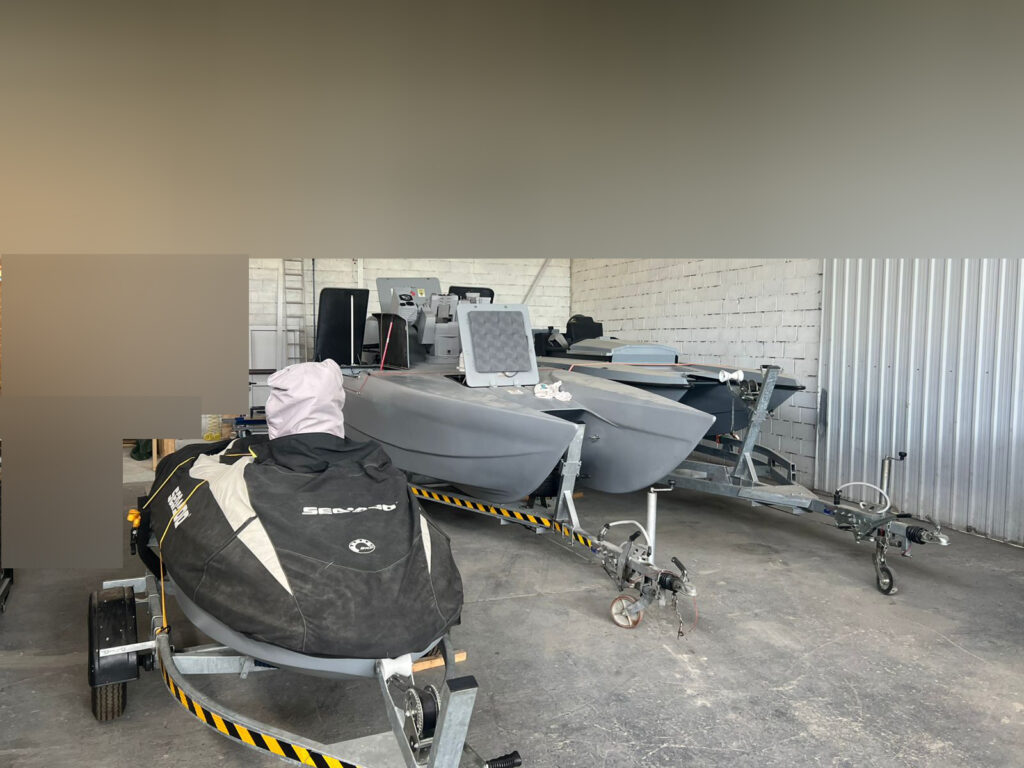
Unmanned surface vessels, or USVs, can be an excellent solution in a deterrence or rapid-response role, as they can carry operational payloads and be deployed around the island as part of a layered defence architecture. As surveillance platforms, however, they have inherent limitations. A USV is typically a relatively small surface vessel, and its direct line of sight is generally limited to around 20 kilometres due to the curvature of the Earth. By contrast, an inexpensive aerial platform flying at just 100 metres above sea level can have roughly twice that line of sight, while higher-altitude platforms can extend coverage to well over 100 kilometres. The most effective approach is therefore a combination of aerial platforms and USVs. Aerial systems provide broader surveillance, while USVs can act as response assets or communications relays — creating a dense protective network capable of covering hundreds of square kilometres at relatively low cost.
According to Ukrainian reports, your systems are being used by the Ukrainian military. Is there any feedback from the field about their operational value?
Since the start of Russia’s full-scale invasion, we have supplied the Armed Forces of Ukraine with a significant number of our unmanned aerial systems. These systems were designed and delivered exclusively as unarmed tactical surveillance platforms. The feedback we receive from Ukraine guides our technological development on a daily basis. The platform we supply to Ukraine, for example, has gone through five major upgrade cycles and more than 200 smaller changes since we began delivering these systems in early 2022.
There are also reports that your company’s USVs took part in attacks on Russian Black Sea fleet units by the Ukrainian military. How do you respond to that?
We are not aware of any Swarmly USV having been used in combat in Ukraine or anywhere else, and we have not exported such systems to any country currently involved in hostilities. Three years ago, we did support the Ukrainian Armed Forces’ Navy on USV design work. We continue to upgrade our USV technology and operational concepts based on the intelligence we gather about how such systems are being used in operational environments.
Have you ever encountered any problems with your commercial dealings with Kyiv?
We have never had, and do not currently have, any direct commercial relationship with any branch of the Ukrainian government. Our equipment is supplied to the Armed Forces of Ukraine through authorised commercial distributors. We have not encountered any commercial difficulties in these dealings, and all contractual terms have been fulfilled transparently and responsibly by all parties involved.