

Farmers in the Avlona buffer zone say Turkish settler farmers continue to enter land declared “frozen” by the United Nations, raising concern among local cultivators who remain in the area after UN patrols leave.
Phileleftheros visited the Avlona buffer zone after the latest reported incursions by Turkish settler farmers, the previous incident having been recorded on January 5 and the latest one a few days ago.
The visit followed remarks by Avlona community leader Menelaos Savva before the parliamentary Refugees Committee about the problems facing the community. Savva later agreed to guide Phileleftheros through the area in his car.
While travelling on the Akaki-Astromeritis main road, Savva turned right and, about 300 metres later, pointed to the spot where the buffer zone begins, a point that would pass unnoticed by most drivers.
At that location, Savva said he had removed the base of the “Nouris” barbed wire fence, a move that cost him €900 and a court conviction.
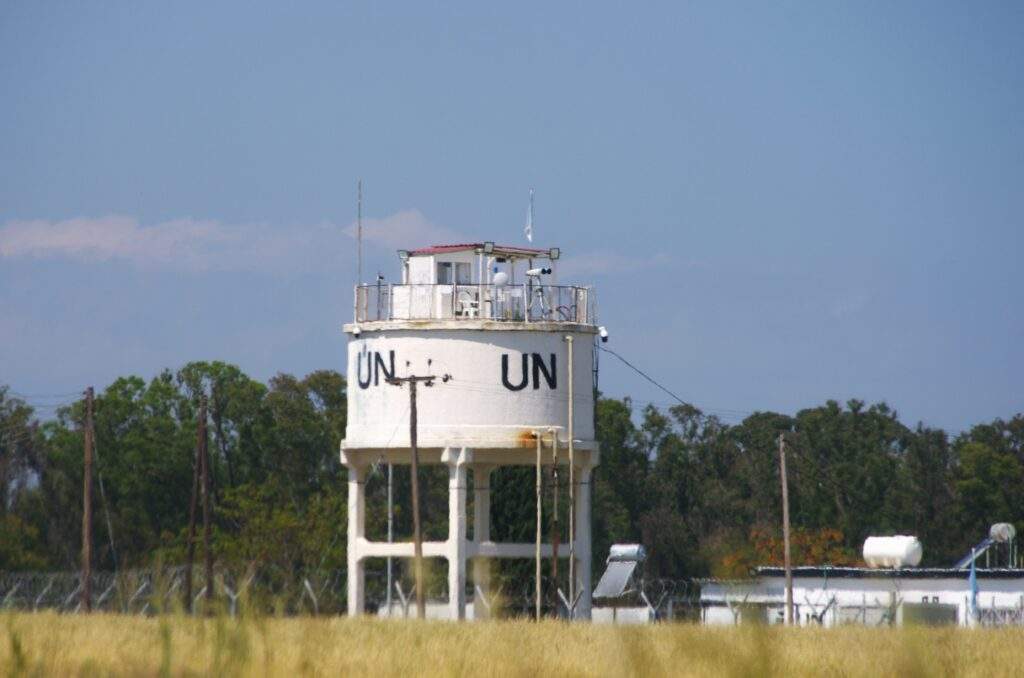
The latest reported incidents followed earlier incursions, including one recorded on January 5 and another in recent days. Phileleftheros visited the area with Avlona community leader Menelaos Savva to see conditions on the ground.
Inside the buffer zone, four UN double-cab vehicles carrying an officer and UN personnel were on patrol. The first vehicle stopped beside Phileleftheros and Savva, and a UN officer asked politely whether everything was all right.
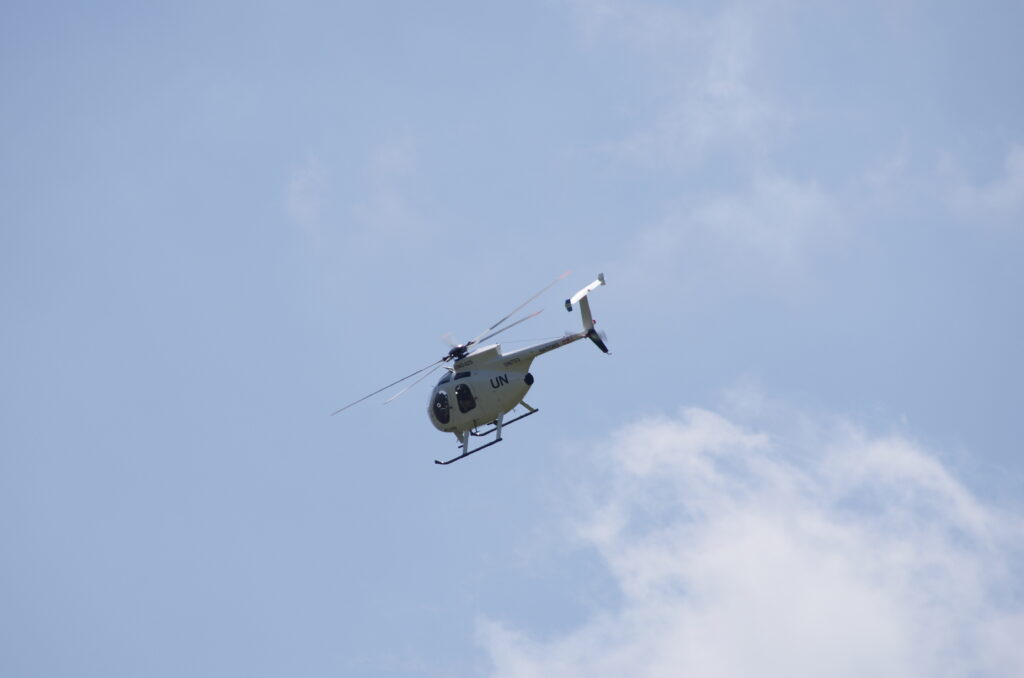
When Savva turned towards him, the UN officer recognised him. During the visit, a UN helicopter was also flying over the buffer zone to monitor the situation.
Savva said the inhabited area of Avlona has been fully occupied, but that 3 to 4 square kilometres inside the buffer zone are still used by farmers.
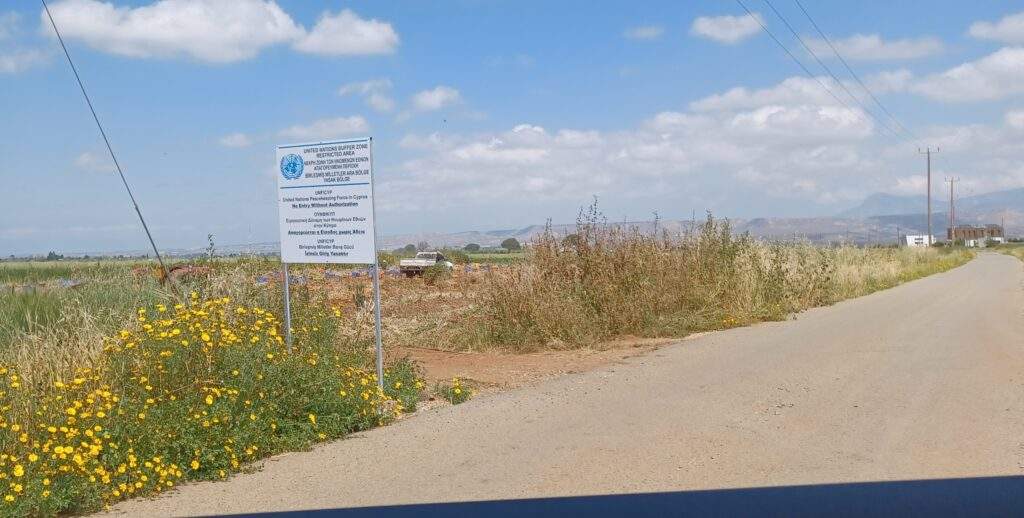
Before 1974, Avlona was planted with citrus trees, olives, carrots, potatoes and other crops. Today, the buffer zone includes cereal and citrus plantations.
Savva showed Phileleftheros land belonging to his family. “This orchard belongs to my father and is now cultivated by one of my brothers,” he said.
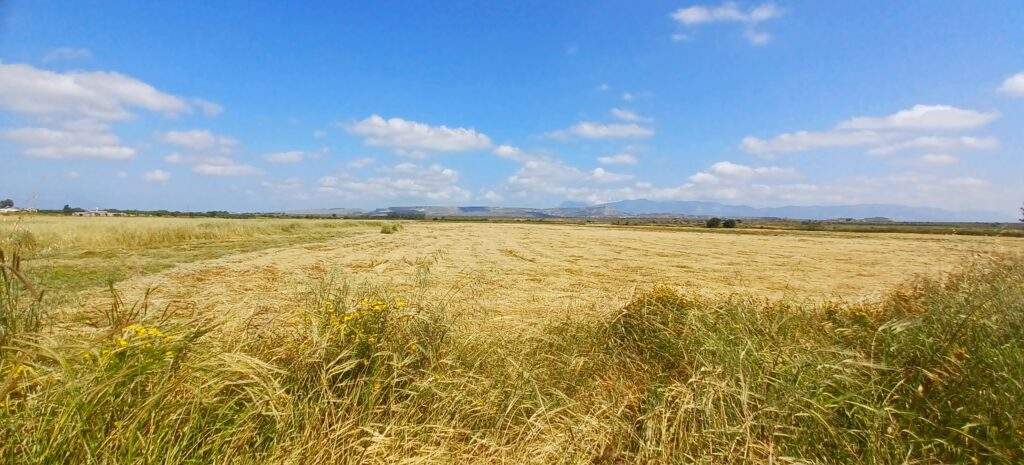
The community leader said local farmers are asking to be allowed to cultivate land that the UN has declared a “frozen” area. He said the UN argues it cannot be present everywhere to protect farmers.
“We are asking for the road we are on now, which is used by the United Nations, to be moved north of the existing buffer zone up to the Turkish raised watchtower,” Savva said.
He said the “frozen” area covers a relatively large stretch of land. Although Greek Cypriot farmers are not allowed to enter and cultivate it, he said a Turkish settler farmer entered the area and cut hay.
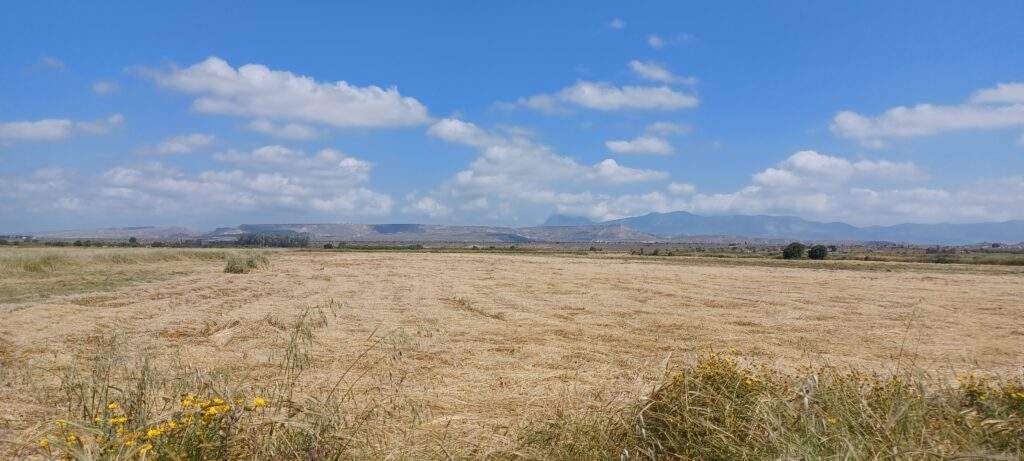
A passing farmer stopped to tell Savva that he had left the area at 4 pm the previous day and the hay had not been cut. When he returned the following morning, it had been harvested.
Savva said a Turkish farmer, whose name is known, apparently entered the area late in the afternoon. He said the farmer cuts hay, is removed by the UN and later returns.
After Phileleftheros left the area around midday, Savva said the same settler later entered again with his tractor to cut hay.
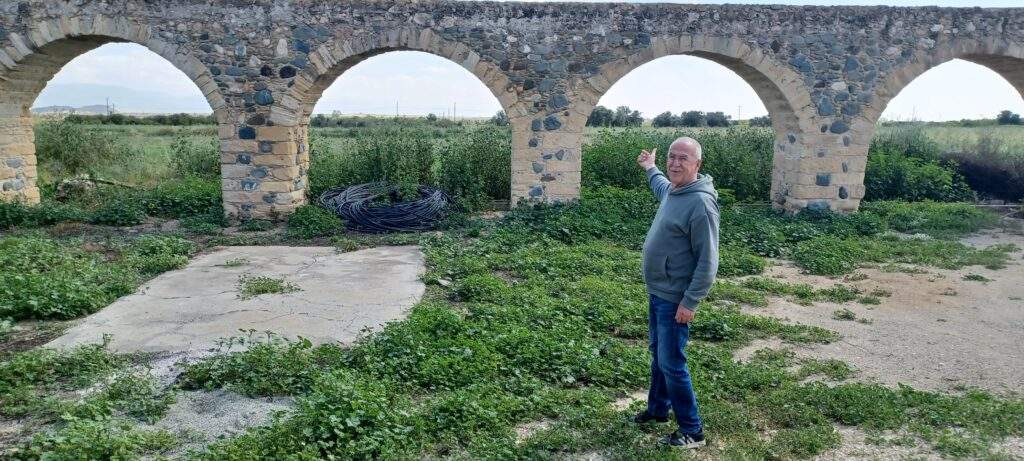
Savva said some Turkish settlers promise not to return and comply, only for another person, apparently linked to them, to appear later. He said the same pattern can continue for months, with each person eventually making a similar commitment before another appears in their place.
He said this was a tactic used to keep violating the “frozen” area.
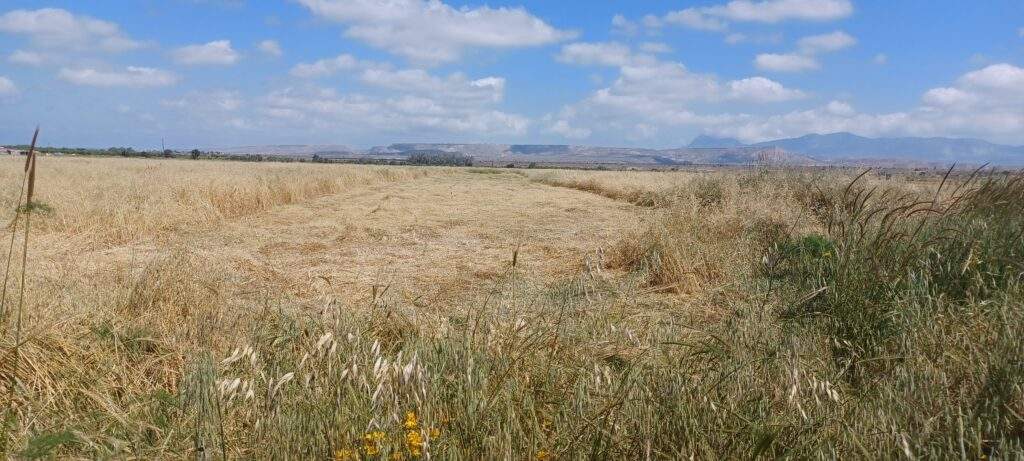
During the visit, four UN double-cab vehicles with an officer and personnel were patrolling the area, while a UN helicopter flew over the buffer zone to monitor the situation.
The UN patrols eventually leave, and the farmers remain. Savva said they are not afraid. Without their presence, he said, the buffer zone would have been taken over, while the UN role remains essential in preventing its loss.