

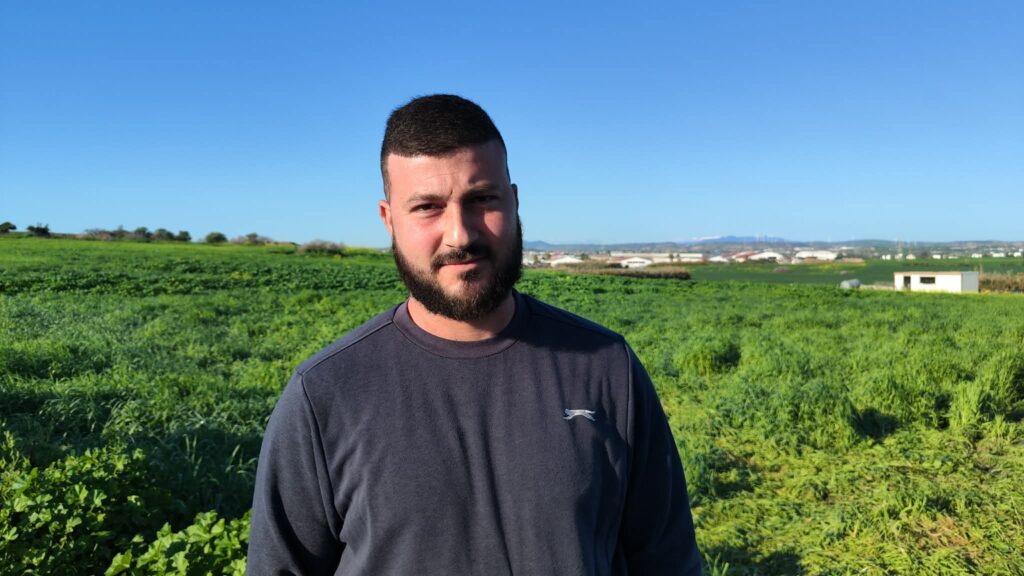
Andreas Eleftheriou Sarmalis is 20 years old. His father is bedridden. And he is alone on the farm, watching foot-and-mouth disease close in.
“I’m in shock,” he said. “What we’re going through is like what Limassol went through last summer with the fires. We are children of pain — we have to endure.”
Sarmalis farms 250 goats in Livadia, the Larnaca village where Cyprus’s first foot-and-mouth case was detected. By Tuesday morning (24 February), four livestock units in the area had confirmed infections.
The farmers who have so far been spared know that, given how close together the farms sit, there may be little they can do to save their herds.
Sarmalis said he had always known he wanted to work the land — that when his father’s farm was there for the taking, he seized the opportunity. Now he is watching it under threat.
He pointed to what he believes may be contributing to the spread: more than 5,000 pigeons and other birds kept in the Livadia livestock area, which move freely between farms. “We’ve had this problem for years,” he said.
A few farms away, Nikolas Kyriakou, 26, is going through the same agony. He runs a unit with 300 sheep and goats, and has been working alongside his father since he was a small child.
“We are living through very difficult moments — moments of anguish,” he said. “A life here filled with hard work and toil. We love our animals and we care for them. We hope ours will be saved, and everyone else’s too. We are hoping the vaccines will come and the virus will be contained.”
Then there is Spyros Hatzikyriakou. He is 65. He has farmed in Livadia for 40 years. He has 263 goats and fears they will be infected. When he talks about the prospect of culling, his voice breaks.
“The easiest thing is to cull the animals. But ask a farmer how that feels. The animals are our children. During the feed crisis, we all deprived our families so our animals wouldn’t go hungry. We went into debt for them. It is not easy to kill your animals.”
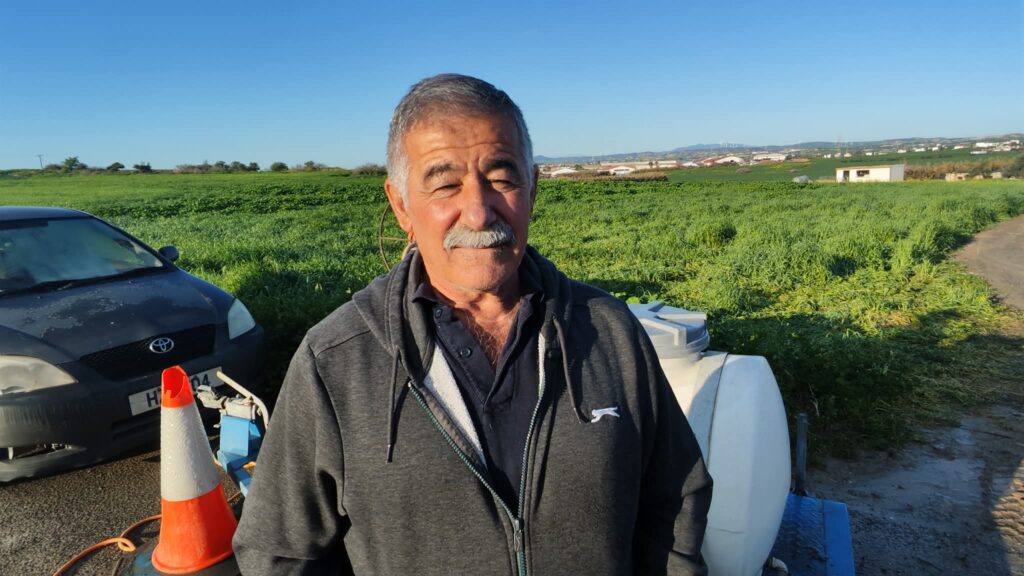
He paused. “I’ve been here 40 years. I am being destroyed. I am 65. What becomes of me from here on?”
On how the outbreak reached this point, Hatzikyriakou was blunt. “In Cyprus we’ve learned to chase events rather than get ahead of them. We run to save what we could have prevented.”
Both he and Kyriakou were sceptical of reports that farmers had received hay from the occupied territories — but for different reasons. Kyriakou said he simply did not believe it was happening.
“Under normal conditions, hay should not be crossing over — unless there is smuggling involved, which I don’t know about. It’s not that easy to get hay through when there are checks.”
Hatzikyriakou went further, questioning whether the ceasefire line is being properly monitored at all. “Hay is a very bulky thing. How did it get through? It means we are not controlling the ceasefire line. It’s not something that passes easily.”
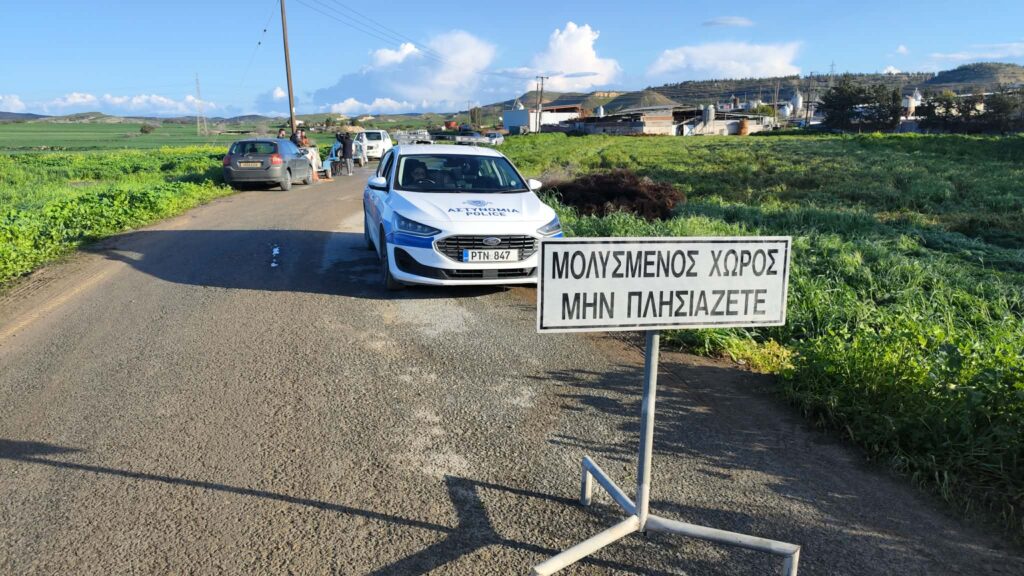
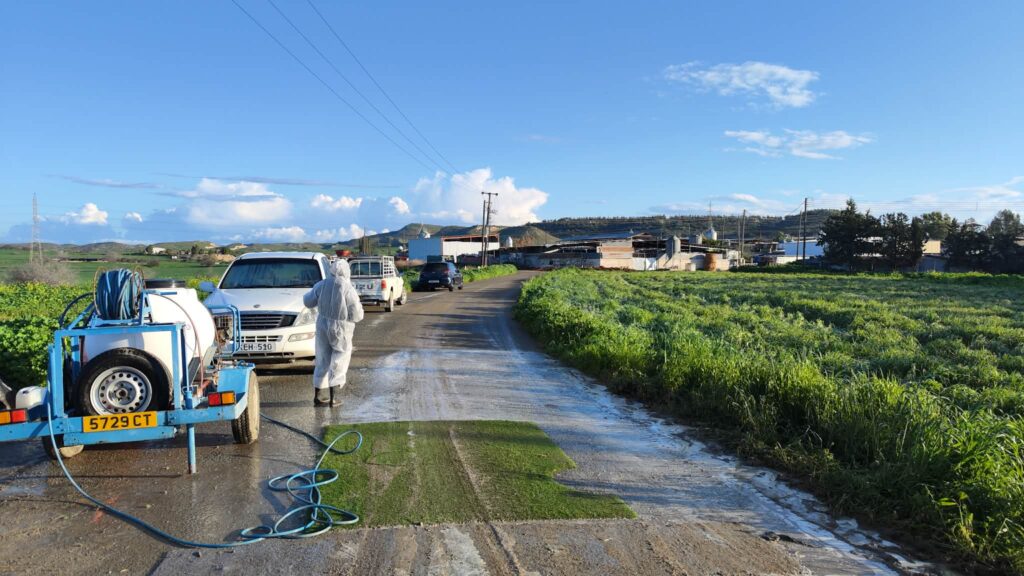
He ended with a question that has gone unanswered. Infected animals in the area have been buried rather than incinerated. Hatzikyriakou wants to know whether the groundwater used to water livestock through the summer months will now be contaminated as a result.
Read more: