

A new documentary by the British broadcaster Channel 4 has brought to light allegations of sexual harassment, illegal working conditions, and dangerous accommodation faced by young British female workers in Ayia Napa, Cyprus.
The documentary will be available on the Channel 4 website and YouTube from next Tuesday, 13 January. Reporter Tir Dhondy travelled to Cyprus and posed as a hairdresser to investigate reports from her compatriots.
Sexual Harassment and Exploitation Allegations
According to a report in the Irish Sun, the documentary records some nightclub owners boasting about sexual assaults against employees.
Dhondy reported that within hours of her arrival in Ayia Napa, a bar owner told her: “If I want to see your boobs, I will tell you.” Footage in the documentary shows the bar manager adding: “I think what he’s trying to say is, ‘Can I see your boobs’?”
The conversation continued with employers suggesting Dhondy perform sexual favours for them in exchange for a job. Dhondy added that many of the girls who come for a season “are 16 or 17 years old, still going to school; they are far too young.”
Her investigation focused on one company that offers work and accommodation packages in European destinations. A company summer package promises four weeks of employment along with accommodation in Ayia Napa for £399.
Dangerous and Substandard Accommodation
In the documentary, other female workers stated they stayed in dangerous accommodation in Cyprus with broken security systems, mould, and insects.
British worker Isobel reported waking up one night to find a drunk stranger standing over her bed. “I woke up in the middle of the night and saw a strange guy standing and looking at me,” she said. “Anything could have happened. When I think about it now, I feel sick.”
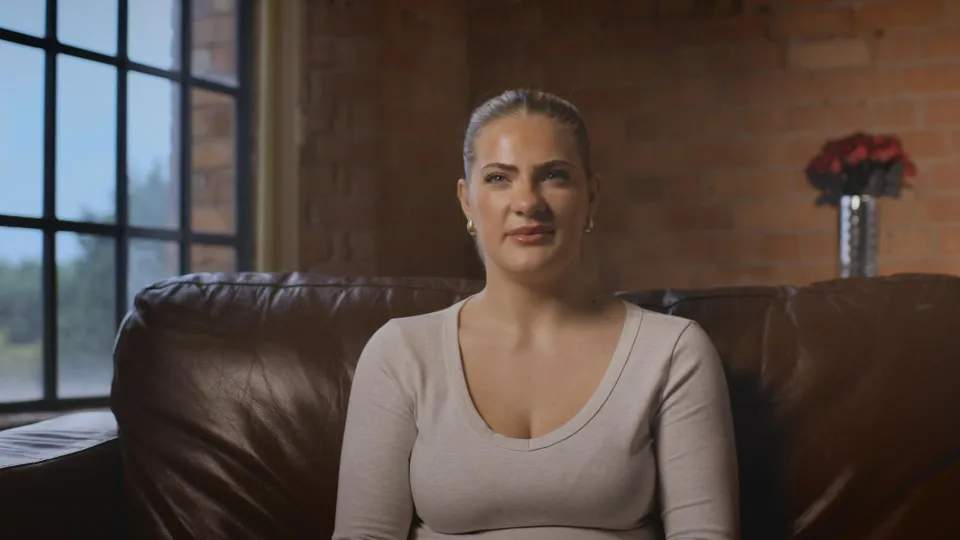
Dhondy was given a ground-floor room behind rubbish bins with a broken window, four small beds crammed together, and soiled sheets. Another worker, Carmen, stated her flat had no running water “90% of the time” and featured dirty mattresses, no air conditioning, broken toilet seats, and cockroaches.
Poor living conditions are not limited to this company, according to a previous The Sun report from last August. Danish tourist Emilie Polusen, 25, said she was offered accommodation with cockroaches and mould after paying £600 through a different company in 2021.
“We arrived and there were cockroaches everywhere on the balcony, some even inside the room,” Polusen said. “It had dirty sheets and lots of mould in the bathroom that smelled very bad. It was disgusting; even the representative looking after us didn’t want to touch the covers.”
When workers in Dhondy’s investigation complained, company representatives threatened to evict them. Carmen explained: “They told us we were on holiday and should just be grateful and enjoy it, and that they would kick us out if we complained again.” She added: “We were afraid of the representatives. They were very aggressive and threatened anyone who had a question or concern.”
Illegal Work and Hidden Costs
Hidden costs exacerbated the workers’ exploitation. After paying for the initial package, workers were charged an additional €150 upon arrival, including a €50 damage deposit, €40 for bills, €10 for bedding, and a €50 resort fee. Many never got their deposits back.
One representative told Dhondy these extra charges bring in €90,000 for the company every summer. “I take all the pressure but not the money; if I got a percentage, I would be rich,” he said.
Dhondy reported that she was paid £5 an hour to bring customers into a nightclub. “I calculated that translates to £800 a month, but you have to pay £400 for the accommodation, so you are essentially only left with £400 to live on.”
Isobel, who was hired to sell tickets for a bar, said her employers demanded she work seven days a week from 11 am until between 5 am and 8 am. She stated: “They didn’t pay me, they still owe me money: 200-300 euros.”
Polusen told The Sun: “They didn’t give us what they promised. Many people got nothing and left where they put them in the first place. We ended up going home because we couldn’t find a job and there was no support.”
Dhondy’s manager, Nick, admitted that both of them were working illegally without permits and would be paid under the table. Following Brexit, British citizens require a work permit to be employed in EU countries.
“They didn’t make that clear to me when I signed up, even when I asked if I needed to do anything,” Dhondy explained. Carmen said workers realised too late they were working illegally. “By the time we realised we were working illegally, we didn’t have money to book a ticket home,” she reported. “We had already spent the money on the package and thought that if we didn’t do these illegal shifts, we wouldn’t have anything to eat.”
At one party, Dhondy reported that a company representative offered her a fee to sell balloons containing nitrous oxide (laughing gas), despite the substance being banned in Cyprus since 2022.
🚨 Modern Slavery Warnings
The UK Home Office issued warnings last year that young adults working as PR staff in destinations like Ibiza and Mallorca faced exploitation amounting to modern slavery.
Andrew Wallis, CEO of the anti-slavery organisation UNSEEN, stated that young British workers are lured into exploitation and criminal activities. “When they arrive, they discover that the opportunity is not as advertised,” he told the Irish Sun. “They can be arrested for illegal working. That means they will get a criminal record. And that ruins the rest of people’s lives.”
Wallis argued that the packages offering accommodation and work leave workers trapped. “The accommodation is always below standard and very often the cost of accommodation wipes out whatever they might be earning,” he said. “Very quickly they feel trapped. Then they have more control over you; you have put yourself in the hands of people who want to exploit you.”