

Ancient grain silos dating from the medieval period were damaged by an excavator during sewage works in Strovolos in 2006 and will remain buried underground, a parliamentary committee heard on Wednesday.
The silos, located beneath a road in the municipality’s historic core near the Church of Saint George, were struck before workers could be alerted to their presence. The Department of Antiquities documented the finds but said there is no alternative route for utility infrastructure at that location, making it impossible to excavate and display them.
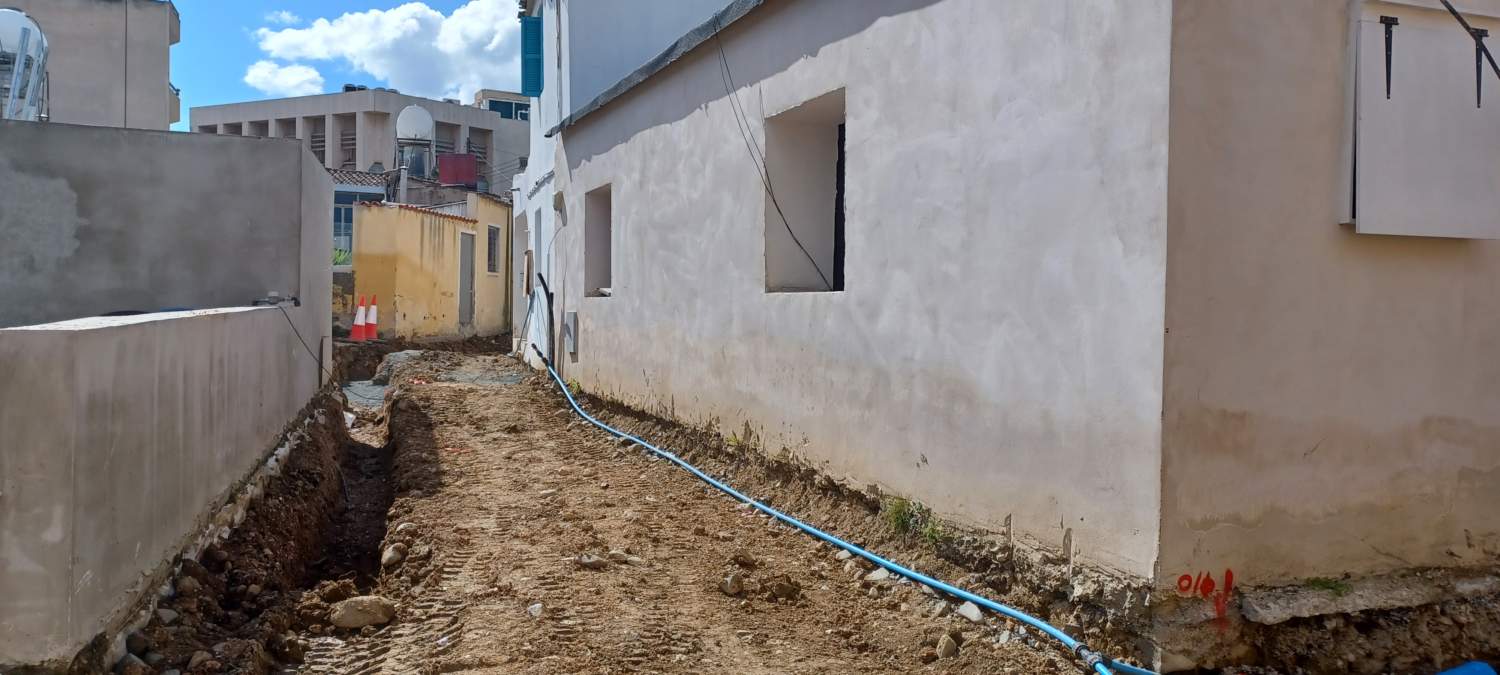
Antiquities officer Andri Avgousti, who briefed members of the House Interior Affairs Committee on the progress of the historic core renovation project, noted that the silos are two to three metres in diameter and that current works are being carried out alongside them to avoid further destruction. She added that had the original trench been dug to one side of the road rather than through the centre, the silos would have survived.
Workers have been instructed to proceed carefully throughout the project, as it remains unknown what else may lie beneath the surface in the area.
Strovolos Mayor Stavros Stavrinides told the committee the renovation works are progressing on schedule, with only a minor delay caused by the discovery of the silos. The project, which began in January, is funded by EU funds and is contractually set for completion within 18 months. Flood prevention works are also included in the scheme.
Asked why the project — which has been on the drawing board since 1990 — took so long to get off the ground, the mayor cited objections from the former Strovolos SPE and local shopkeepers, and acknowledged that the municipality itself had at times failed to act. He appealed for public patience, warning that traffic restrictions required during the works would cause disruption to residents and road users for a period.
Read more: