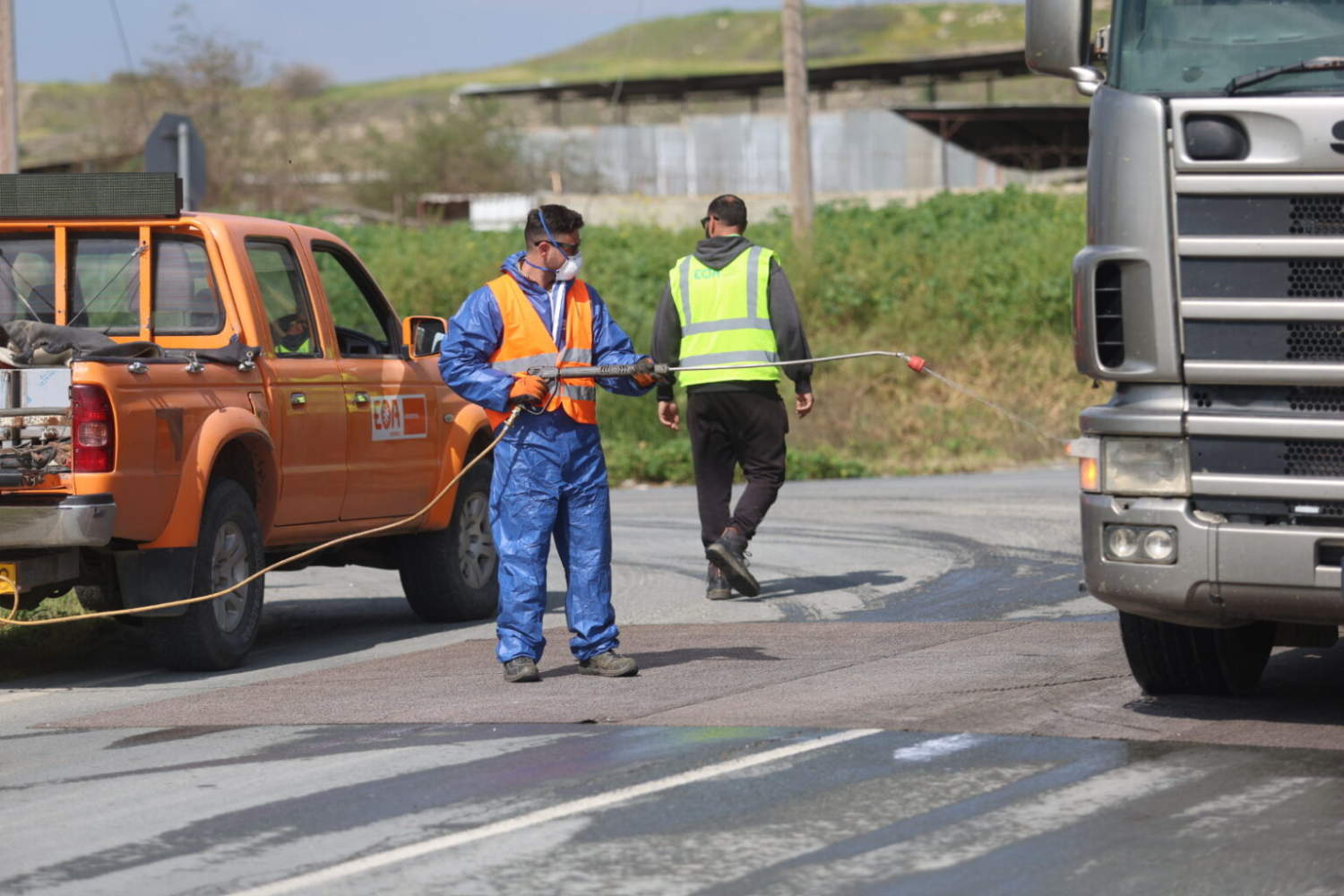
A recent visit by the European Union Veterinary Emergency Team, or EUVET, has laid bare the scale of Cyprus’ foot-and-mouth disease outbreak, warning that the virus may have been spreading silently for weeks and that urgent action is needed to avert a devastating blow to the livestock sector.
The EU team, which visited Cyprus from February 24 to 27, said the biggest immediate risks were undetected spread among sheep and goats, pressure on veterinary services from political and farming groups, and possible unauthorised animal or product movements across the Green Line.
The outbreak began north of the Green Line in December 2025, when cases were reported in cattle in occupied Lapithos. Despite moves by the Veterinary Services and notifications to international bodies, the disease crossed into government-controlled areas. The first confirmed case was recorded on February 19, 2026, at a cattle farm in Livadia, where officials noted a sharp drop in milk production and typical symptoms in the animals.
So far, 42 cattle and sheep-goat farms have been affected, with more than 30,000 animals impacted. Cases have been recorded in Livadia, Oroklini, Dromolaxia, Troulloi and Aradippou in Larnaca district, as well as Geri and Dali in Nicosia district.
According to the EUVET report, infection in sheep and goats in Oroklini appears to have been spreading subclinically, without obvious symptoms, for weeks, possibly since the start of 2026. That, the experts said, makes the threat both harder to detect and more dangerous.
They called for the immediate strengthening of the laboratory with more staff and reagents, strict enforcement of the nationwide standstill on animal movements and tighter checks along the Green Line in cooperation with police and the UN peacekeeping force.
The team, led by German expert Klaus Depner and including the head of Slovakia’s Veterinary Services, said Cyprus’ Veterinary Services were following EU rules, including the culling of infected animals and the creation of 3 km protection zones and 10 km surveillance zones. But the experts flagged two serious concerns.
The first was outside pressure. The report said the Veterinary Services were working under “enormous external pressure” from farming organisations, livestock groups and political actors, and warned that scientists should be allowed to do their job without interference from economic or political interests. The report said culling had slowed because of reactions on the ground and obstruction of the Veterinary Services’ work.
The second concern was the Green Line. Although official crossing points are monitored, the report said unauthorised movements of animals or products could not be ruled out, undermining disease-control measures. It referred to rumours that infected hay may have been smuggled from the north, though the team said it had found no concrete evidence during its short visit.
The mission held a preparatory meeting on February 24 before its first discussions with local authorities, reviewing background information, identifying key data needs and agreeing what information to request from the competent authority, including livestock population data, maps, summaries of measures taken and surveillance records.
A debriefing meeting followed on February 27 after final discussions with local authorities, during which the experts consolidated the information gathered during the mission, set out their main findings and identified priority actions and key messages for the European Commission.
The EUVET team focused on two central questions: what urgent measures Cyprus must take, especially on vaccination, to contain foot-and-mouth disease, and what steps are needed to reduce the risk of the virus spreading to unaffected areas and to ensure early detection and a rapid response.
The report said the first clinical signs south of the Green Line were reported on February 19 at a cattle holding north of Larnaca in an area with a high livestock density. Infection was confirmed by PCR and identified as serotype SAT1. Samples were sent to the EU Reference Laboratory in France, which confirmed the diagnosis made in Cyprus and is carrying out further characterisation.
Between February 20 and 24, another 10 sheep and goat farms in the same area tested positive after being checked because of direct or indirect contact with the infected cattle farm. No typical or suspected clinical signs were reported in those flocks, but the report said the high proportion of seropositive animals suggested the virus had spread silently. In the week after the EUVET mission ended, another 11 positive sheep and goat flocks were identified, bringing the total number of outbreaks reported by March 4 to 22.
Following confirmation by the national reference laboratory in Nicosia, Cyprus imposed protection and surveillance zones and applied strict standstill measures across all government-controlled areas of the island, allowing animal movements only to slaughterhouses. Within the 10 km restricted zone, there are about 30,000 cattle, 96,000 sheep and goats and 67,000 pigs. Across government-controlled Cyprus, the total susceptible livestock population stands at 85,000 cattle, 460,000 sheep and goats, and 350,000 pigs.
The experts said reliable information on the outbreaks and the wider epidemiological picture was difficult to obtain during the visit. So far, clinical signs have only been observed in cattle, while the position in sheep and goats remains unclear. The report said serological findings from the first 10 positive sheep and goat farms strongly suggest the infection has been spreading unnoticed for several weeks, possibly since the beginning of the year, and that one of those flocks may have infected the cattle herd.
In the experts’ view, the greatest risk now lies in undetected spread among sheep and goats, which raises the threat to cattle and pig farms across the island. They said it was realistic to assume that more parts of Cyprus were already infected and should be treated as high-risk areas. At this stage, they added, nothing can be ruled out.
The report said active and passive surveillance in cattle, sheep and goats should begin as soon as possible, including targeted sampling and testing of animals showing suspicious symptoms. In the absence of obvious clinical signs in sheep and goats, a statistically significant number of randomly selected animals per holding should undergo clinical checks and provide oral swabs and serum samples for PCR and NSP ELISA testing.
The experts also said a vaccination campaign for susceptible ruminants should begin as soon as possible, based on risk, with animals in restricted zones vaccinated first. But they stressed vaccination was only one tool and that effective standstill measures, stronger farm biosecurity and rapid culling of infected herds remained the most important disease-control steps.
Because no vaccine is currently available for pigs, pig farms should be protected by the highest possible biosecurity measures, the report said. It added that the competent authority should explore every option to obtain a pig vaccine quickly. Given the concentration of susceptible farms, it also recommended discussing the identification of epidemiological units and preventive culling.
Animal movements were identified as a major transmission risk. The report said unauthorised movements could undermine the effectiveness of veterinary measures and noted that police support was being used through checkpoints to enforce movement restrictions.
On laboratory capacity, the experts said the lab was carrying out analyses accurately and had committed staff, but in practice only three staff members were currently running all tests. They said more support was needed for administration and shift work. The lab has strong ELISA testing capacity and has ordered more than 50,000 tests, but concerns remain over the availability of some PCR reagents. The EU Reference Laboratory will examine whether it can send extra reagents.
Samples from the positive cattle farm were sent to the EU reference laboratory for confirmation and were characterised as SAT1/III, similar to the virus detected in areas outside the control of the Republic of Cyprus government.
Among the report’s recommendations were the creation of central, regional and local disease-control centres, an operational expert team and a communications officer for daily updates to the media and stakeholders. It said those structures should operate without political or economic influence.
The team also recommended setting up an epidemiological investigation unit to trace the source and spread of the virus, launching emergency vaccination of ruminants in stages, securing pig vaccines as soon as possible, maximising biosecurity on pig farms, considering preventive slaughter in restricted zones, enforcing and monitoring standstill measures nationwide, sending positive samples to the EU reference laboratory for further analysis, and creating a platform for technical information-sharing among all agencies involved.
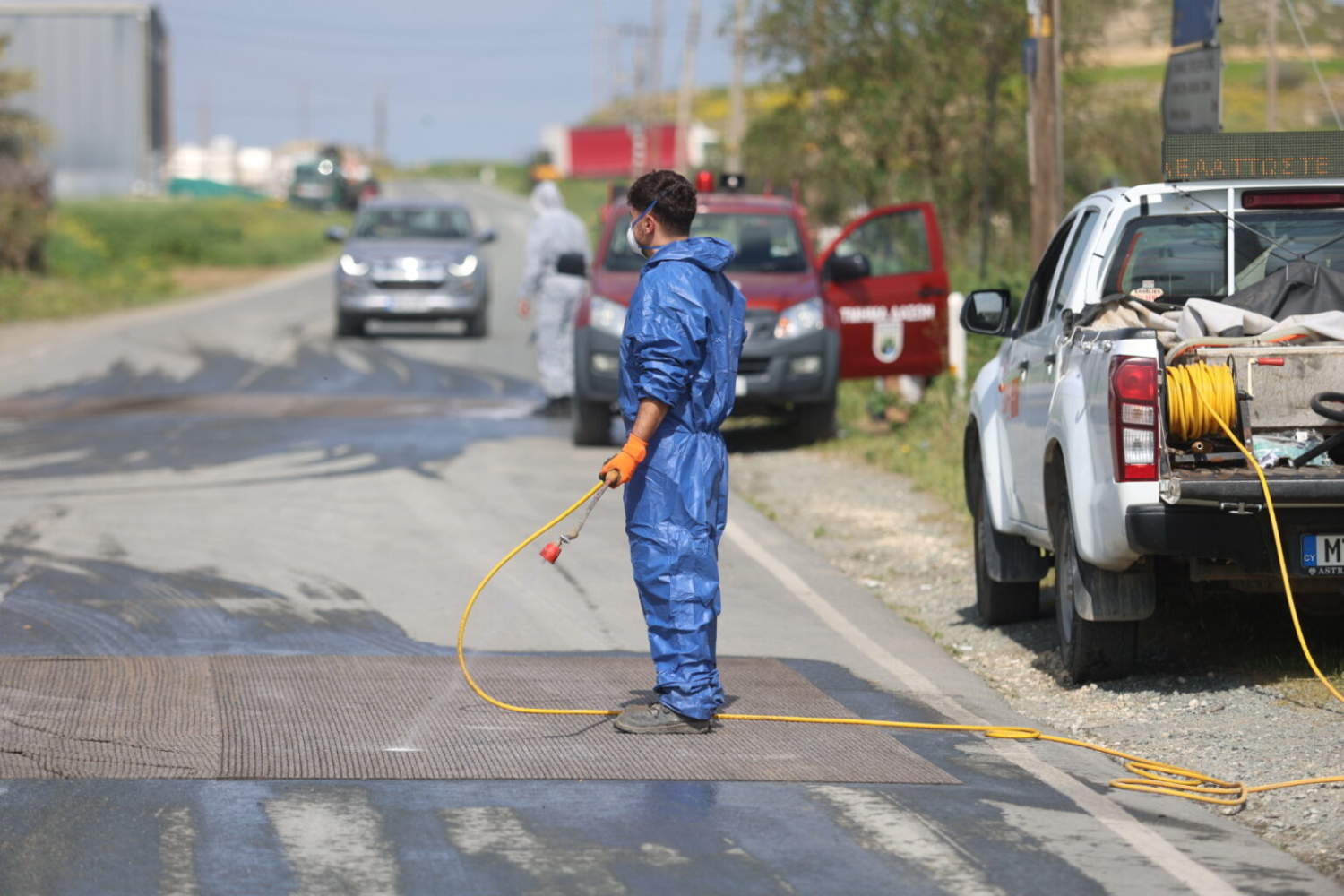
Other recommendations included the immediate culling of infected herds or suppressive vaccination if culling is delayed, destruction of milk from infected farms, disinfection systems for vehicles leaving restricted zones, checks on all farms within control zones over the next two weeks, stronger passive surveillance across Cyprus, more awareness among farmers and veterinarians on biosecurity and early detection, tighter controls on unauthorised movements across the Green Line and biosecurity plans for zoos.