Commandaria has secured a place on UNESCO’s Representative List of the Intangible Cultural Heritage of Humanity, marking a milestone for Cyprus and the 14 villages tied to the ancient wine’s production.
The UNESCO Intergovernmental Committee for Intangible Cultural Heritage inscribed Commandaria on 10 December 2025 during its session in New Delhi, which runs from 8 to 13 December.
Dr Angel Nicolaou Konnari and Dr Antigone Polyniki, an officer with the Cyprus National Commission for UNESCO, prepared the candidacy file in collaboration with the Agriculture Ministry and representatives from the 14 Commandaria villages, including vine growers, winemakers and other stakeholders.
Deputy Minister of Culture Lina Kassianidou described the inscription as international recognition “that transcends the boundaries of gastronomy. It is vindication of a long-standing tradition, the dedication of the vine growers of the 14 Commandaria villages, and the unbroken continuity of a cultural heritage spanning millennia.”
Kassianidou said Commandaria is “one of the oldest wines in the world” and said it “emerges as an international standard of authenticity, cultural continuity and human perseverance.” The inscription “seals the global value of the Cypriot vineyard” and opens new development paths, she added, noting that Cyprus, “small in size but great in spirit, offers humanity treasures such as the emblematic Commandaria.”
The Culture Ministry supports living tradition stakeholders in Cyprus to ensure intangible cultural heritage “survives as a recognisable feature of our cultural identity, is readjusted and transmitted from generation to generation,” Kassianidou said.
Marina Solomidou Ieronymidou, president of the Cyprus National Commission for UNESCO, called the recognition a tribute to “a living cultural symbol of Cyprus, a tradition transmitted uninterruptedly through the centuries that reflects the historical memory, knowledge and creativity of our communities.”
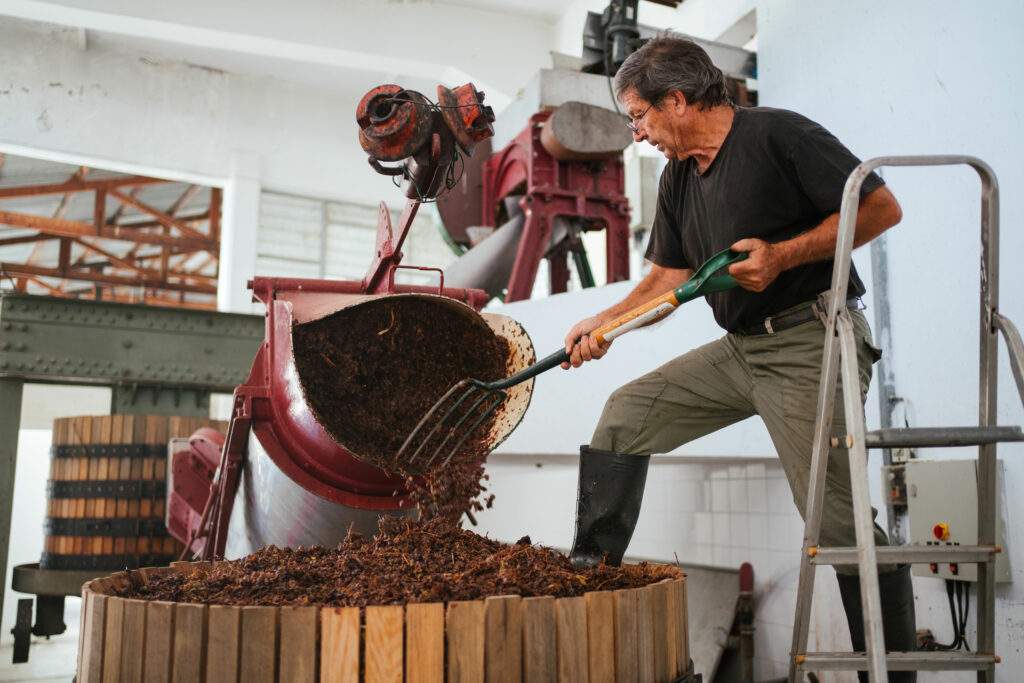
Commandaria is an amber-coloured sweet dessert wine made from sun-dried Xynisteri and Mavro grapes grown in the Troodos mountain foothills. Recognised as the world’s oldest named wine still in production, its origins trace back to 800 BC, with the name Commandaria dating to the 12th century crusades. The grapes are sun-dried for up to 10 days to concentrate their sugars before fermentation, and the wine must be aged for at least two years in oak barrels. Production is restricted to 14 designated villages in the region.
Solomidou Ieronymidou said Commandaria “is not just a special local product but a carrier of identity and collective memory, deeply connected to the place, the people and its rituals.” The inscription “highlights its significance for humanity and strengthens Cyprus’s efforts for the protection, promotion and sustainable management of our intangible cultural heritage.”
Dr Connari, representing the Culture Ministry at the UNESCO session in New Delhi, said the inscription will “undoubtedly strengthen existing promotion of the element and will motivate younger generations to follow in the footsteps of the older generation of vine growers, winemakers and wine lovers.” She added that it “will encourage communities to unite their forces for the further safeguarding and promotion of living cultural traditions in Cyprus more broadly.”
Intangible cultural heritage includes traditions from dance, theatre, music, oral expression, knowledge of nature and crafts. To date, 183 countries have acceded to UNESCO’s convention for safeguarding intangible cultural heritage, undertaking responsibilities including creating national inventories.
Cyprus now has seven elements inscribed on UNESCO’s Representative List of Intangible Cultural Heritage: Lefkaritiko embroidery (2009), Tsiattista (2011), the Mediterranean Diet (2013), the art of dry stone walling (2018), Byzantine chant (2019), midwifery (2023) and Commandaria (2025). In 2022, the Tocatì International Festival and Traditional Games of Cyprus were included on the Register of Good Safeguarding Practices.