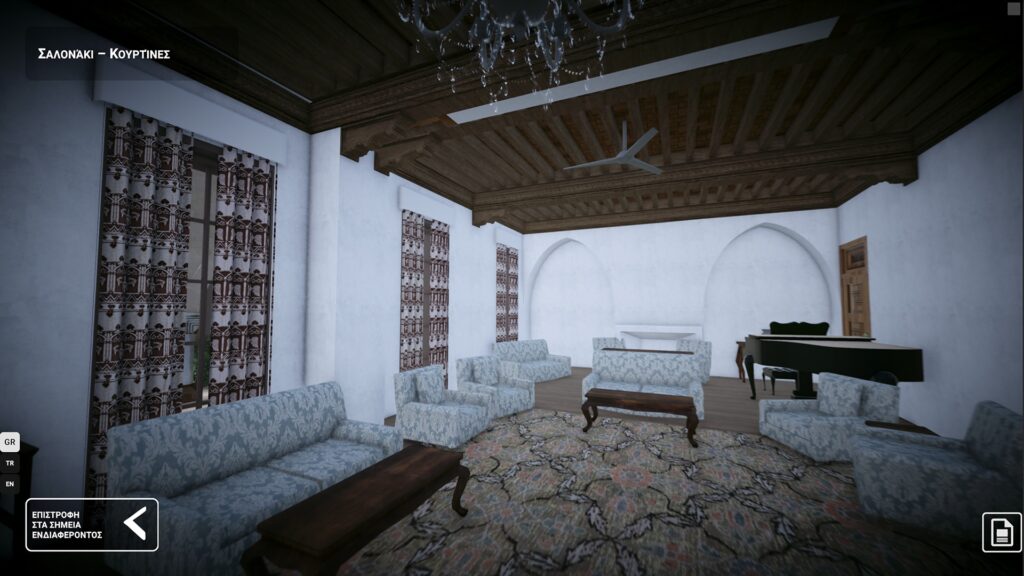
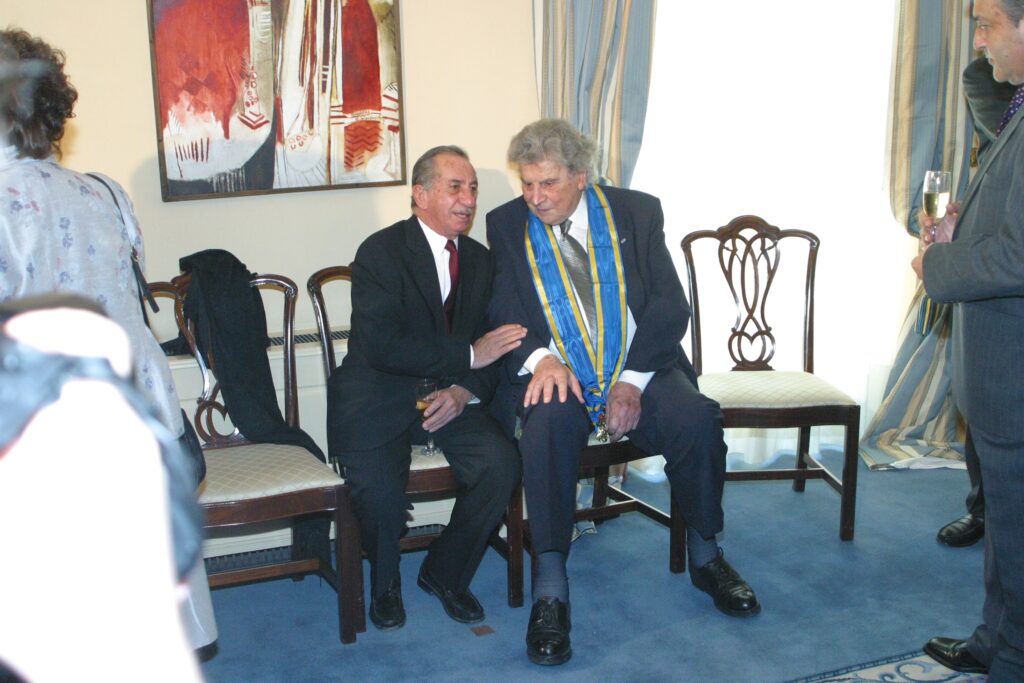
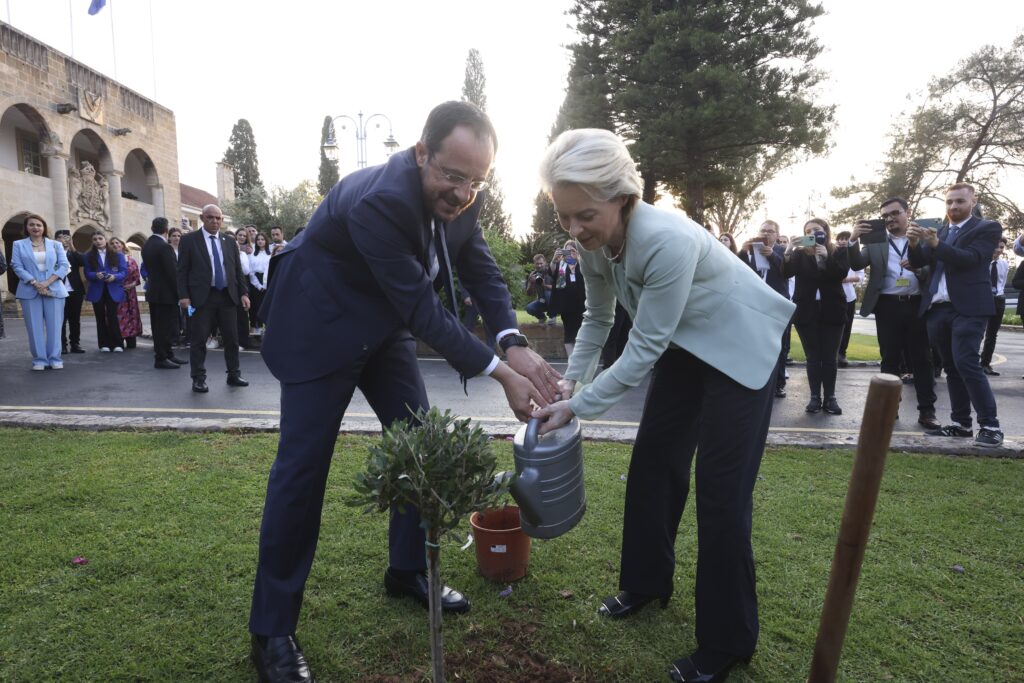
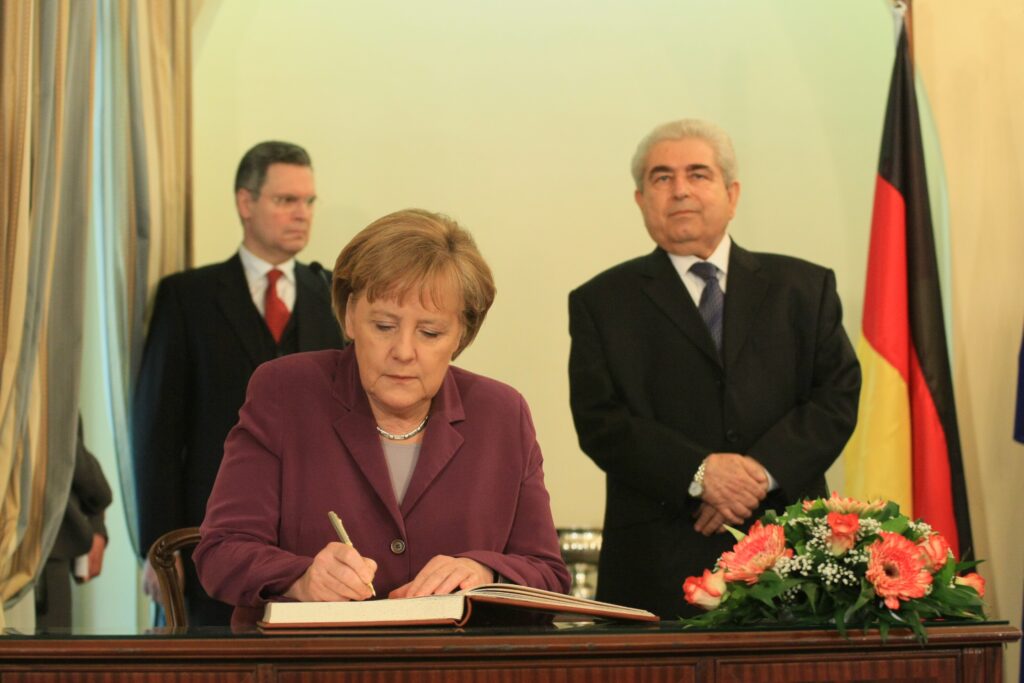
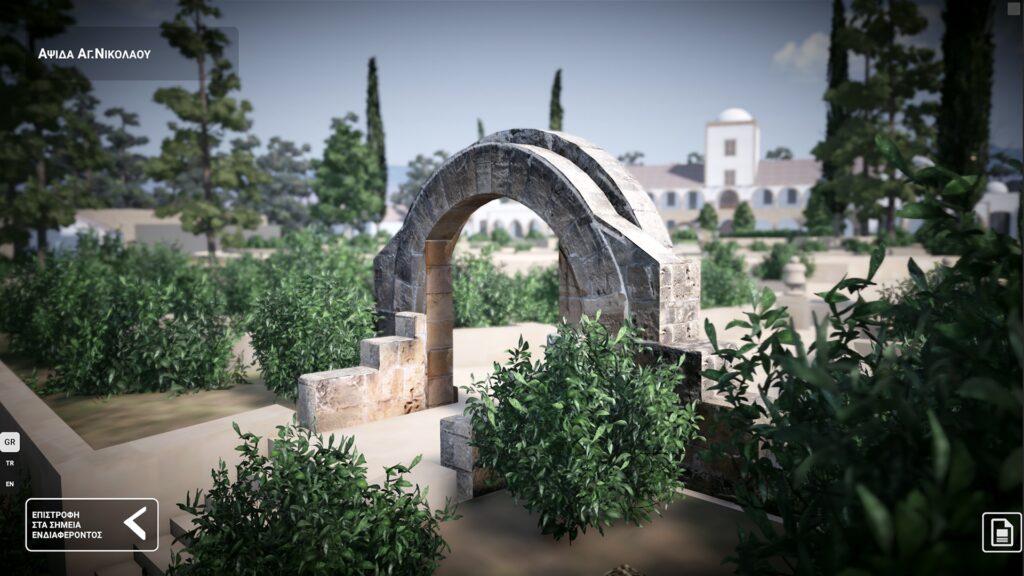
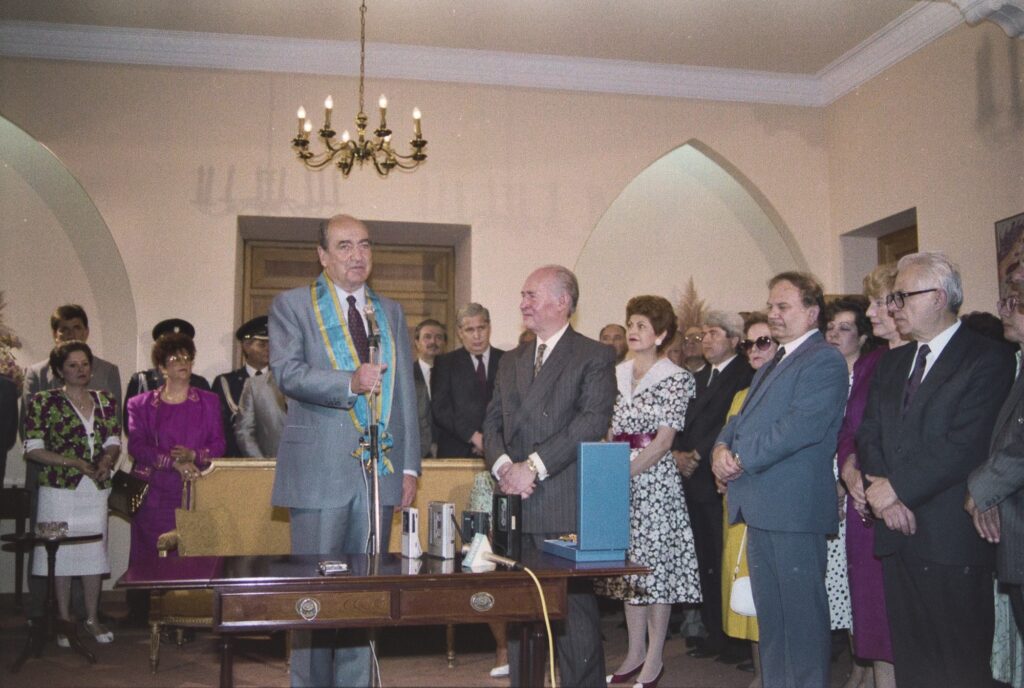
Experts from the Cyprus Institute’s Virtual Environments Lab have built a digital “time machine” to map the history of the Presidential Palace from 1878 to the present day. Through extensive historical research, the team reconstructed the architecture of both the current building and the Government House that preceded it, immortalising the events and people that shaped the nation.
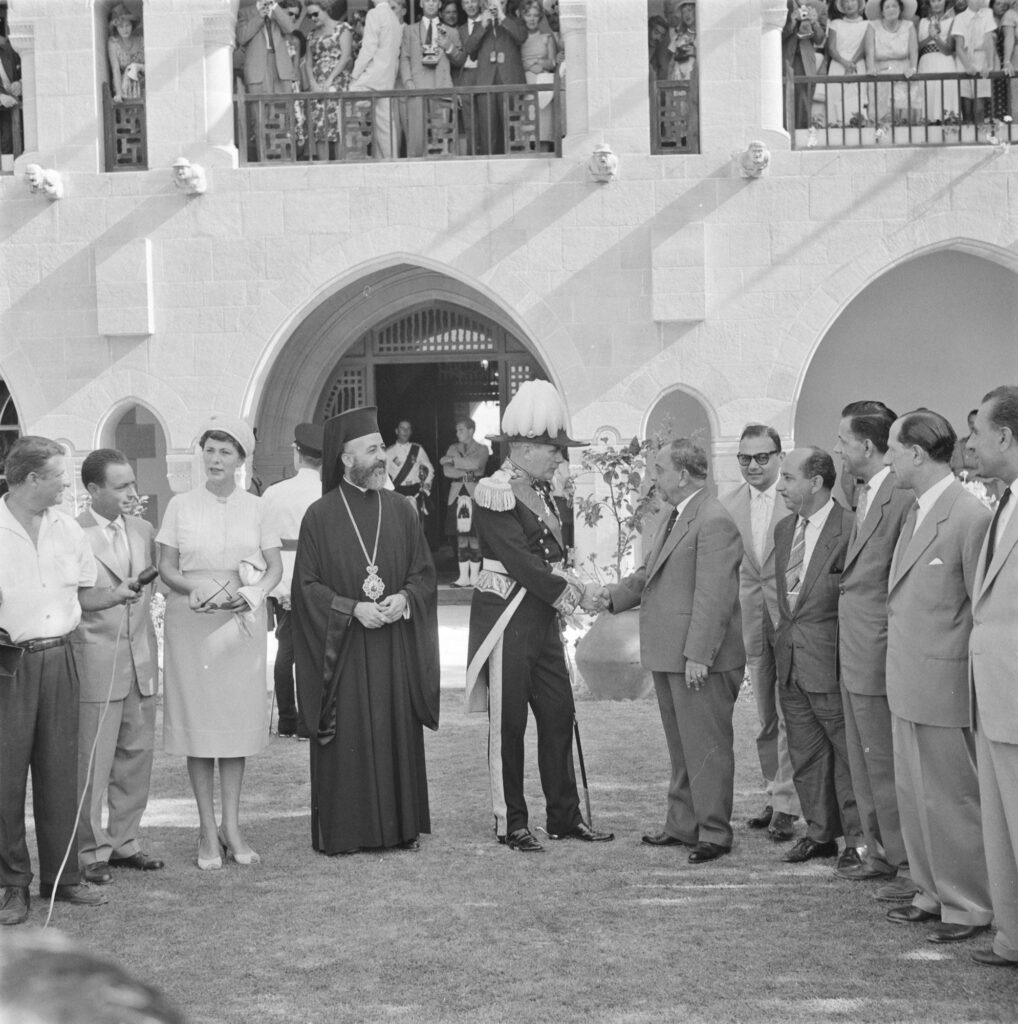
Sir Garnet Wolseley, the first British High Commissioner, arrived in July 1878 and lived in a prefabricated wooden house imported from abroad. By 1925, the residence was renamed Government House. However, during the 1931 uprising for Enosis (union with Greece), a fire razed the building. The British subsequently decided to build a new structure that celebrated traditional Cypriot design.
A Masterpiece of Stolen Styles
A British firm designed the new Government House—today’s Presidential Palace—while the local Public Works Department managed construction. Architects toured the island to copy traditional motifs:
The Loggias: The ground and upper-floor columns mirror the design of the Acheiropoiitos Monastery near Lapithos.
The Tower: The central tower’s proportions come directly from Kolossi Castle.
The Dome: Designers originally planned a pyramid roof, but swapped it for a Byzantine dome for practical and aesthetic reasons.
The Gargoyles: Eight unique waterspouts project from the southern wall. Four lower gargoyles personify the project’s foreman, master mason, master carpenter, and the “unknown” labourer. Four higher spouts represent the island’s primary animals: the ox, donkey, camel, and sheep.
Craftsmen used local Gerolakkos sandstone for its grey-yellow hue and durability, while Limassol limestone adorned fireplaces and stairs. The main entrance, modelled after the Agios Chrysostomos Monastery, features doors made from 288 interlocking wooden pieces from six different tree species, joined without a single nail or screw.
Superpower Diplomacy and Coup D’état
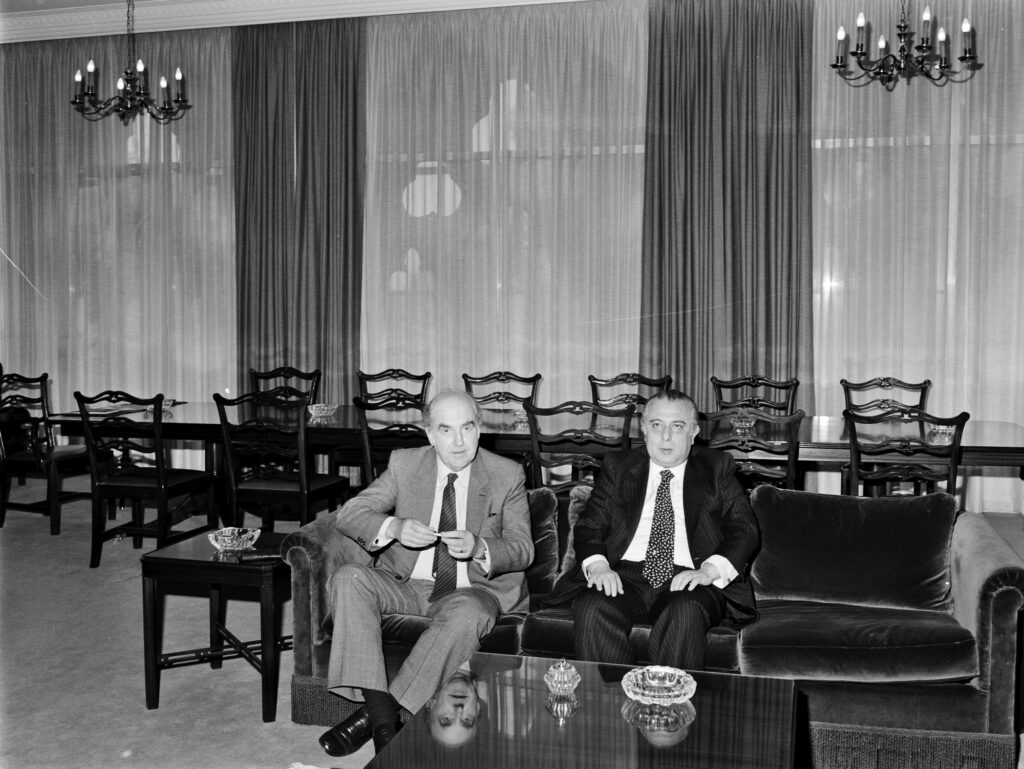
The palace hosted one of history’s most significant diplomatic meetings on 7 May 1974. US Secretary of State Henry Kissinger and Soviet Foreign Minister Andrei Gromyko met for three hours in what is now the Cabinet Room. Their marathon session eventually secured a Middle East peace deal.
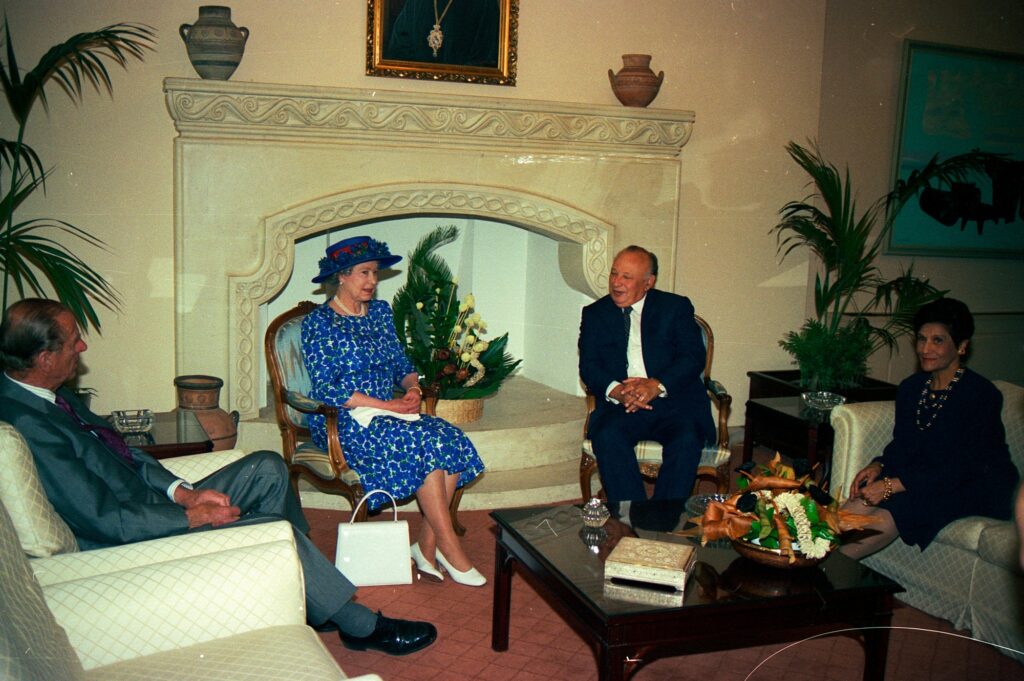
The peace was short-lived for Cyprus. Just two months later, on 15 July 1974, the palace became the primary target of a coup against President Makarios. Fire gutted the building, leaving only the walls standing. Following the 1974 Turkish invasion, the palace was rebuilt using funds from Greece and reopened in 1979 as the official residence and office of the President.
Science Meets Heritage
The interactive display, initiated by First Lady Philippa Karsera Christodoulides, uses 3D architectural modelling to turn archives into a digital museum. “Our goal is for every person who enters this building… to learn something substantial,” she stated, describing it as an experience to inspire visitors and make citizens proud.
Stavros Malas, President of the Cyprus Institute, called the palace a “living witness” to modern history. He noted that virtual and augmented reality serve as a new “bridge” between the public and their heritage. The project marks the 20th anniversary of the Institute, blending high-tech expertise with a deep respect for the nation’s past.