

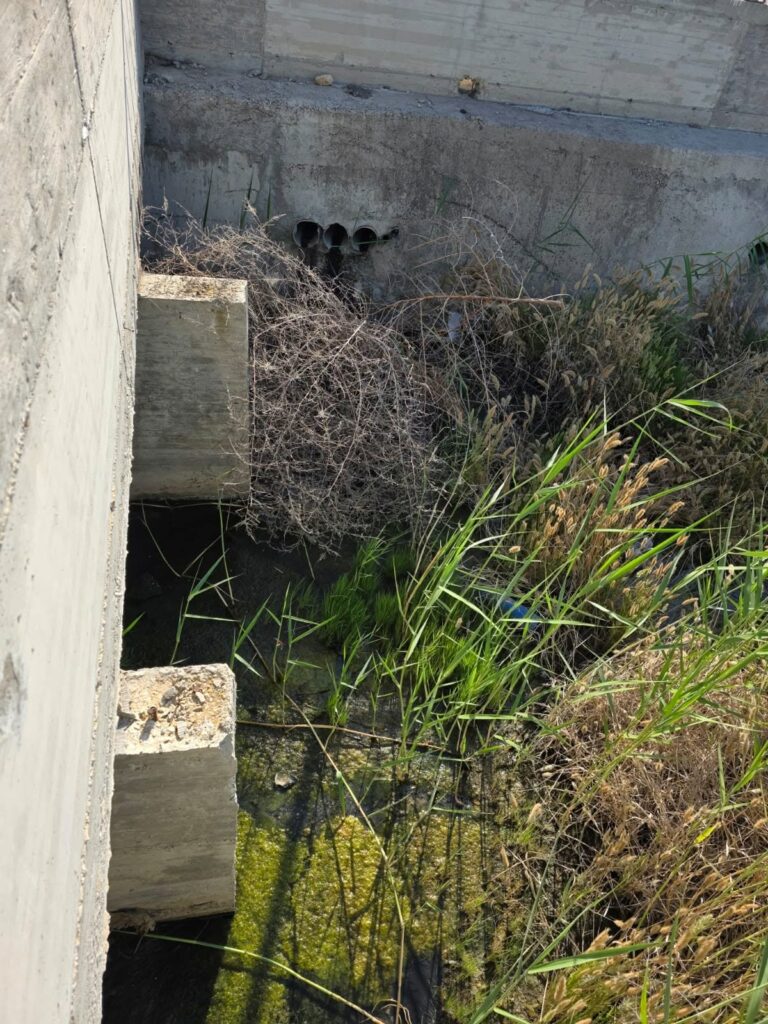
Sewage from a large residential complex in Pyla is putting public health at risk, with part of it, however unbelievable it may sound, ending up in a canal in the Oroklini area, next to the sea. Despite complaints having been lodged with all the relevant authorities for a long time, no measures have been taken and no one has been fined.
Phileleftheros received complaints of intense odour from sewage in the coastal area where the “Chryso Psari” (“Golden Fish”) restaurant used to be in Oroklini, with residents describing it as a health hazard and calling for measures to be taken.
Oroklini deputy mayor Neofytos Fakontis confirmed the information received by our newspaper, which was accompanied by photographic material.
He said representations had been made to the relevant bodies to deal with the issue, and that officials from the Larnaca District Local Government Organisation (DLGO) and the Department of Environment had recently visited the site and seen what was happening, but no measures had been taken.
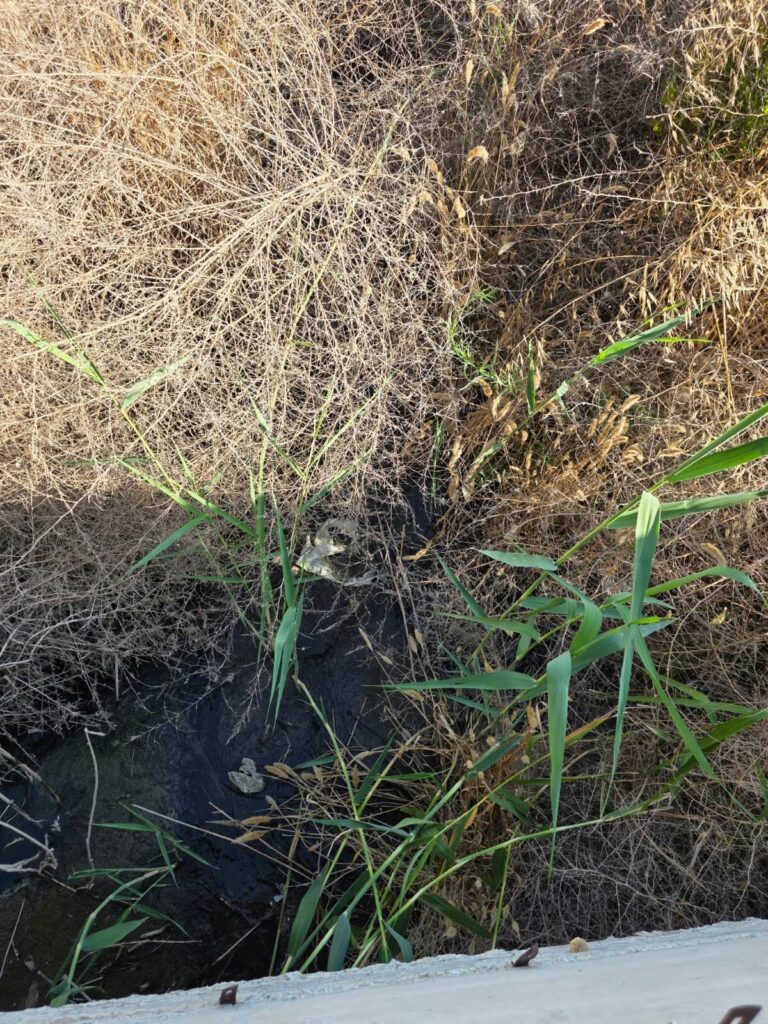
Fakontis noted that the Pyla area has no sewerage system, and when the waste pits fill up, the sewage ends up in the canal.
He added that Larnaca Municipality had brought in two professors from the Democritus University of Thrace, specialising in stormwater management, to address the issue of water in the area, and that they had walked the entire route of the canal together, finding that sewage from the complex in Pyla’s tourist area was entering the stormwater canal in greater quantities during the summer months.
Fakontis said he had personally called on the DLGO and the Department of Environment to impose fines. “The Department of Environment could impose a €4,000 fine to stop this,” he said, noting that he had previously also asked the Pyla community council to take measures.
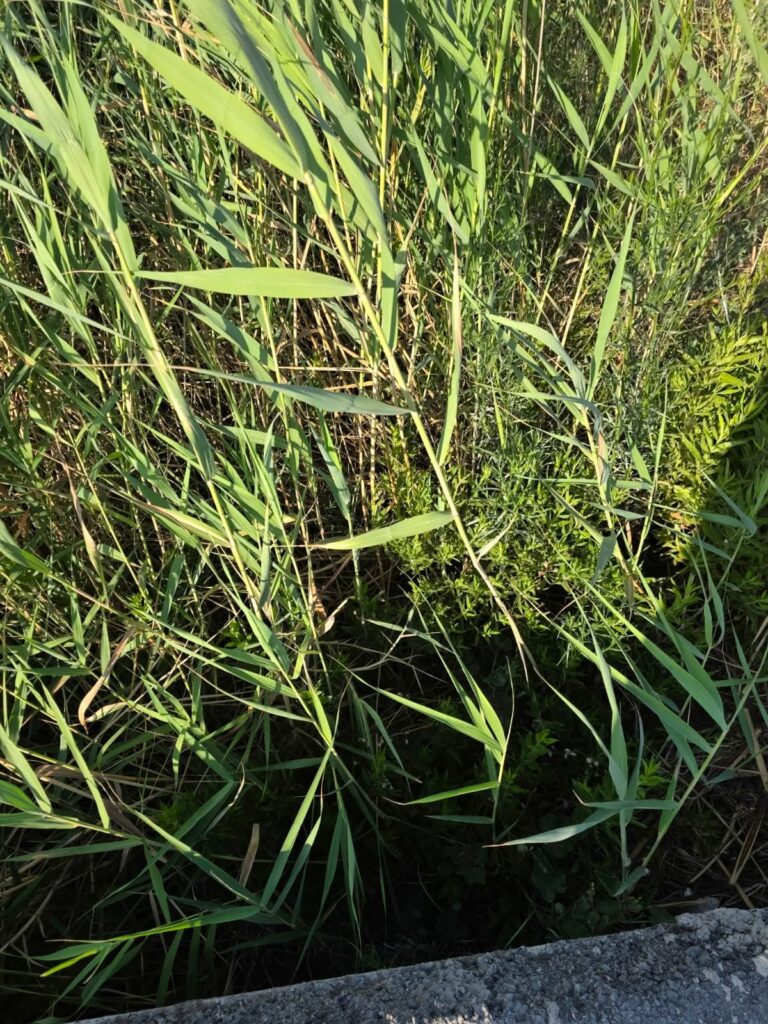
We contacted all the relevant authorities named in the complaints. The district Department of Environment said measures on such issues are taken by local authorities. As for the DLGO, we were told the matter does not fall within its remit, since there is no sewerage system in the area.
Pyla community leader Simos Mitidis also confirmed that he had received complaints about the sewage. “It’s a complex with 64 residences,” he said, noting that the Department of Environment is aware of the situation. He also questioned why the matter does not fall under the Larnaca DLGO’s remit, given that residents in the area pay sewerage fees.
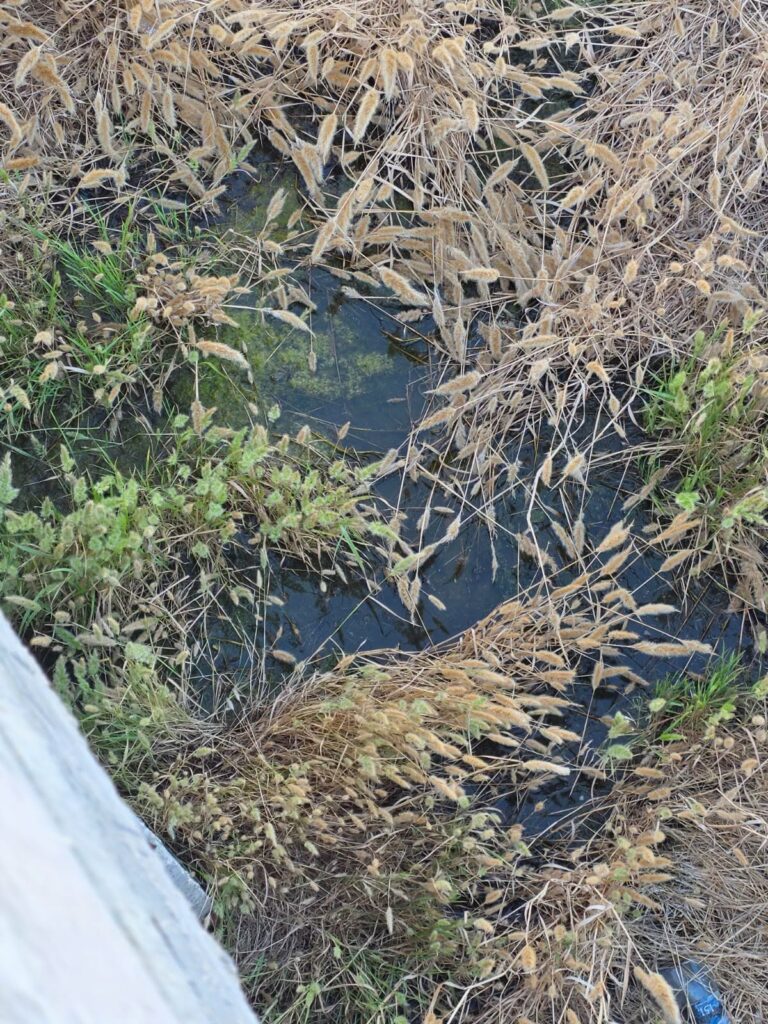
He said the council is making representations to speed up the sewerage system, which has been delayed, in order to resolve the problem. Asked what the local authority intends to do, he said pressure is being applied for tankers to empty the septic pits, and that the community council is in contact with the DLGO and the district Department of Environment.
One might reasonably ask why there is such delay and difficulty in taking measures on an issue that concerns public health.
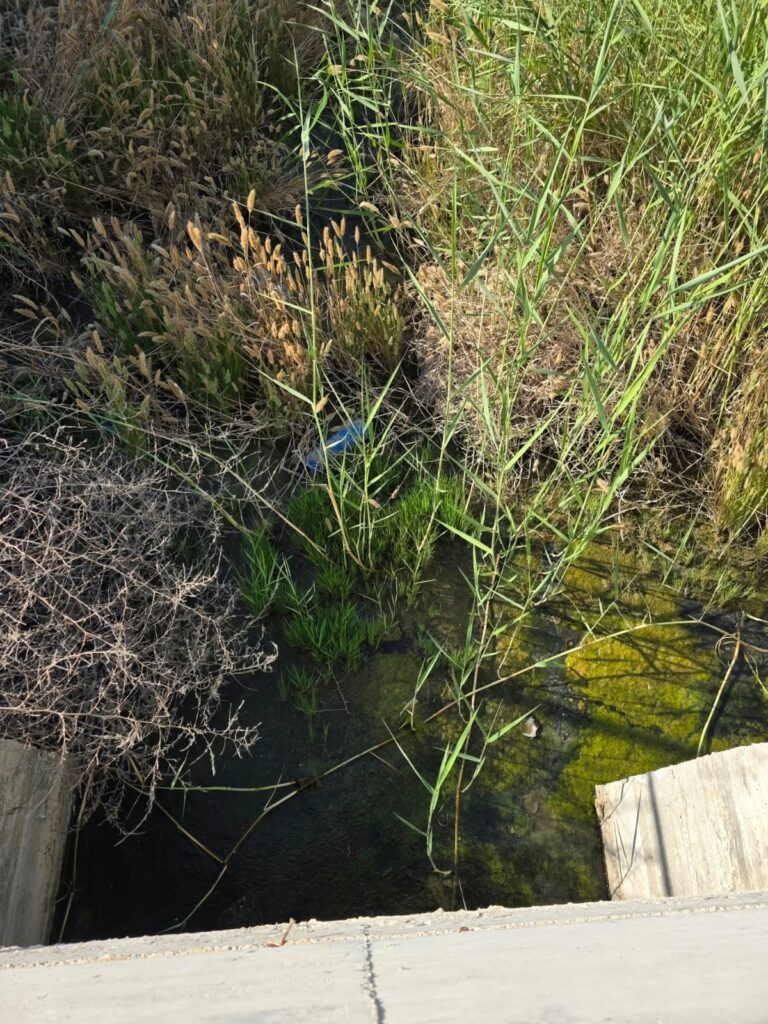
The Department of Environment’s position
The Department of Environment informed us on Tuesday morning that, immediately after Phileleftheros’s complaint was forwarded to its Larnaca district office, two of its inspectors visited the site to help resolve the problem more quickly.
Clarifying that the matter falls under the relevant local authority according to the Communities Law, the Department of Environment noted that its officials visited the Pyla community leader yesterday, and that the council secretary told them the problem was known to them and that they had received legal advice allowing them to cut off the water supply to the complex if it continued to refuse to empty its pit before it overflowed.
Officials informed them of their responsibilities and that, until they decide on the measures to take, the community council must pay, at its own expense, for a tanker to empty the pit.
The Oroklini deputy mayor was subsequently informed, according to the Department of Environment.