

A new social enterprise has opened in central Nicosia with the aim of strengthening social inclusion by creating meaningful job opportunities for people on the autism spectrum.
True Heart Café, which recently opened its doors and has already welcomed its first customers, was launched by the non-governmental organisation Voice for Autism. The café is designed as a space for collaboration and inclusion, where staff can receive training and gain valuable work experience through their daily presence at the venue.
For many of the employees, this is their first experience of work and an opportunity they had been waiting years to get. Speaking to Phileleftheros, they said the café is a place where they can build friendships, grow and feel they have a meaningful place in society. Above all, they said they are in an environment where they feel happy, accepted and part of a team.
Among the employees is Stella, who, alongside her new job at the café, is also a cycling champion in the Special Olympics. She said she had spent many years trying to find work in Cyprus without success, despite wanting it badly. “I wanted to work somewhere on my own because everyone else works except me,” she said. She now speaks with a smile about her new daily routine, saying she feels very happy to have finally found people she can work with.
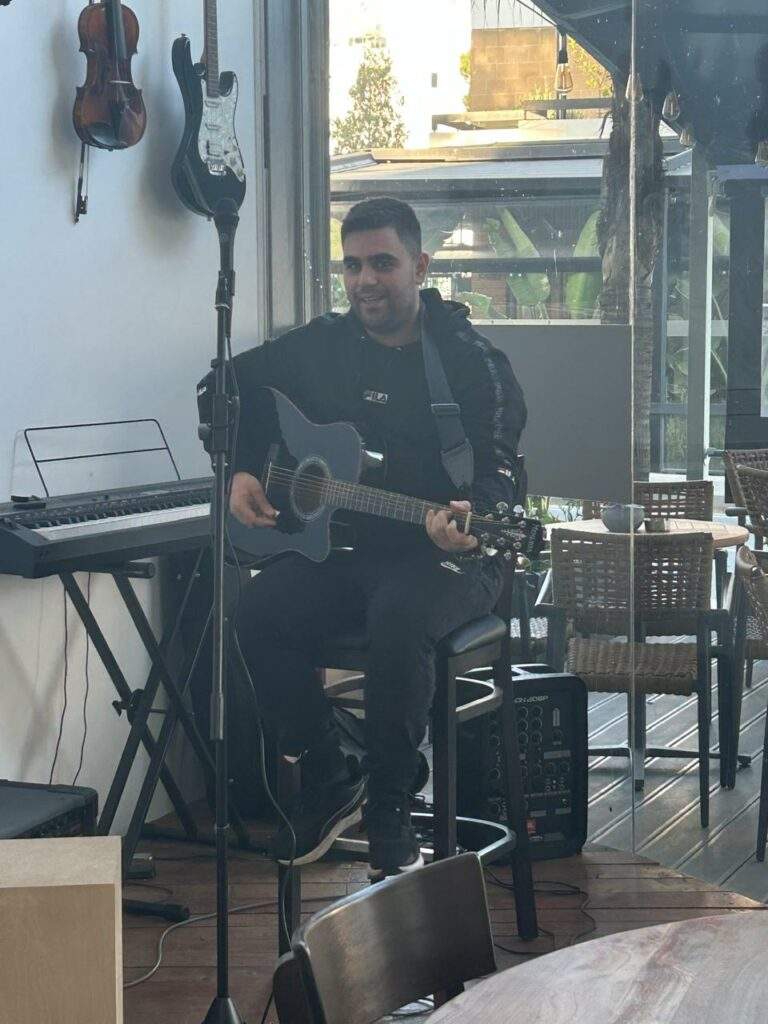
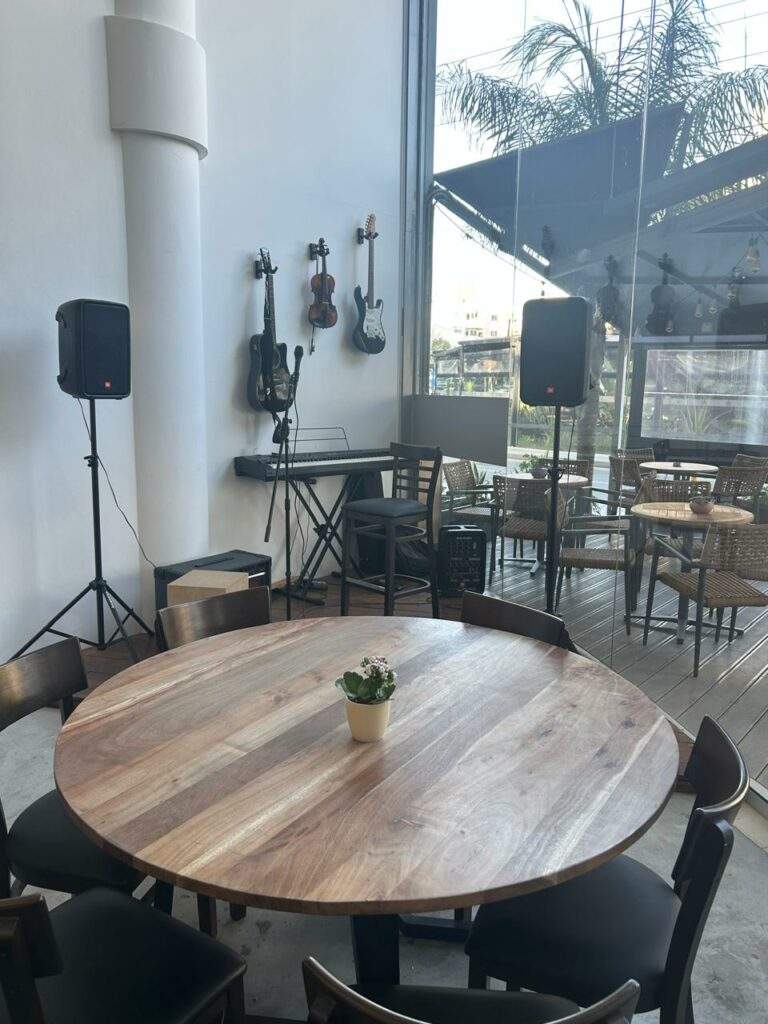
Also part of the café team is Constantinos, who speaks enthusiastically about his work at True Heart Café. “I feel very proud that I work here,” he said, explaining that he has already made many friends through his job. But work at the café is not the only thing that makes him happy. Constantinos also loves music, and the venue includes a small stage with musical instruments where he can play guitar and sing. The source text says music is something many of the young people there love.
For Alex, True Heart Café is his first professional experience. “I feel like I belong somewhere,” he said. He has learned how to make coffee and serve customers, and his daily life has now taken on a new rhythm. “I like coming here because I get bored at home,” he said with a smile.
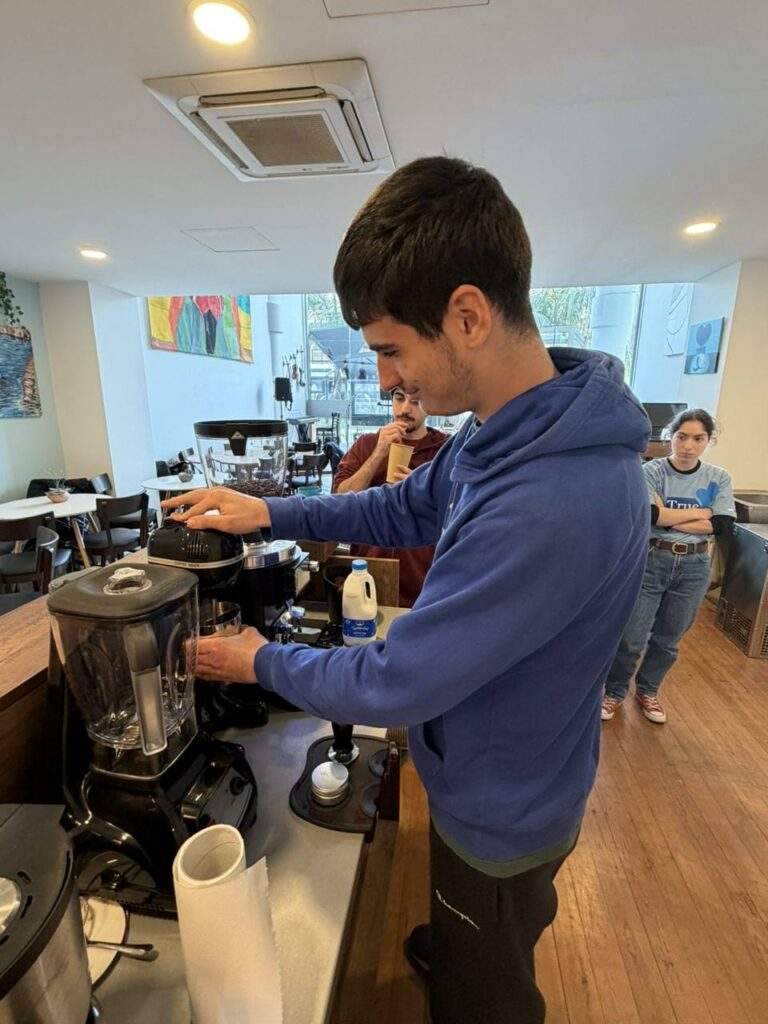
Behind the café is a team of professionals who support the young people at every stage of the process. Georgia, an occupational therapist and training lead, said each person’s skills are assessed before they start work so they can be placed in the role that suits them best.
She said the most important thing is for each person to have a role within the café and feel they are contributing. Some work preparing coffee, others help in the kitchen, while others take on customer service or care of the space.
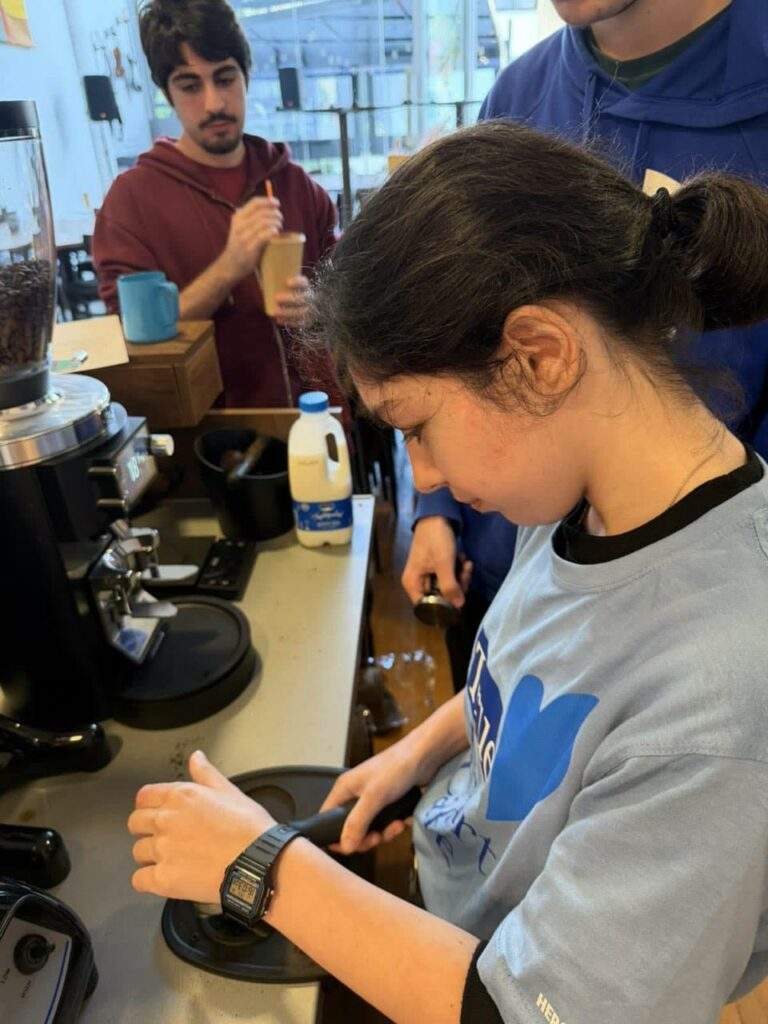
Employees receive continuous support throughout the day, with job coaches by their side from morning until afternoon. Particular attention has also been paid to the design of the venue so that it offers a calm and safe environment. The upper floor includes a space used both for meetings and as a quiet area where workers can step away from the noise when needed.
For parents, the value of such a space is even greater. Soula, the mother of Constantinos, said the change she sees in her son has been striking. “This café is something that should have happened years ago, because in Cyprus we are still very far behind when it comes to children on the autism spectrum,” she said.
She said the most important thing for her son is that he is not treated as something different there. “He is very happy because he feels he can contribute and produce work. Everyone speaks to him normally and he feels they love him. He comes home happy. And it is not only my son who is happy to come here, but me as well,” she said.
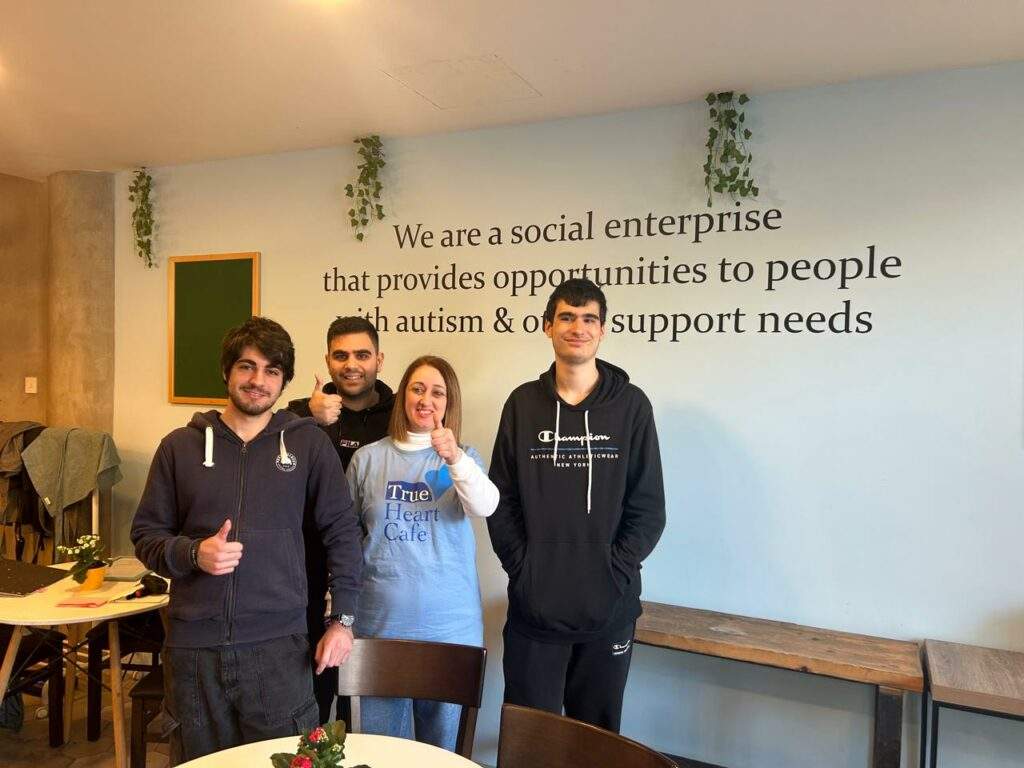
True Heart Café, located at 10B Yiannou Kranidioti Street in Nicosia, is described in the source text as the first social enterprise of its kind in Cyprus with a mission of meaningful social inclusion. The organisation’s president, Helen Georgiou Pontiki, said the need for such an initiative became clear through the experiences of families themselves. “Together with parents and professionals, we saw there was a huge gap after the age of 18. What happens when they finish school? There was nothing,” she said.
She said the organisation’s first step was to create conditions for independent living. Two neighbouring houses were set up in Lakatamia, where people on the autism spectrum can live in an environment that functions as a real home. Today, six young people live in those houses and several of them also work at the café.
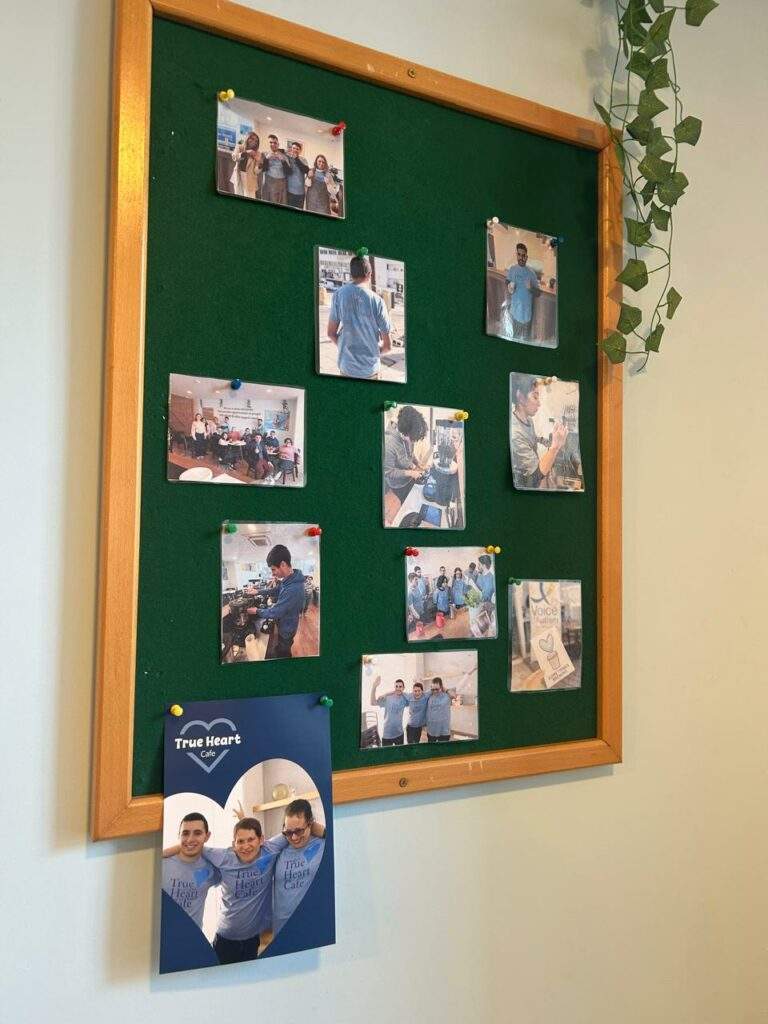
A job was found for each of them so they could work at least once a week. But Helen said it soon became clear that this was not enough, because there was a sense that “they were doing us a favour”. “We wanted to bring autism into society,” she said. Out of that thinking came the idea of a social enterprise, which became True Heart Café.
She said setting up the café was not easy. Creating a social enterprise of this type required significant preparation and support, including specialised training, continuous assistance and careful adaptation of the space to meet the needs of people with autism.
The idea was implemented with the support of the Social Inclusion Department of the Deputy Ministry of Welfare, which worked on the operating plan for the business. Five of the people involved in the project are also shareholders in the enterprise, so they can feel the space truly belongs to them, according to the source text.
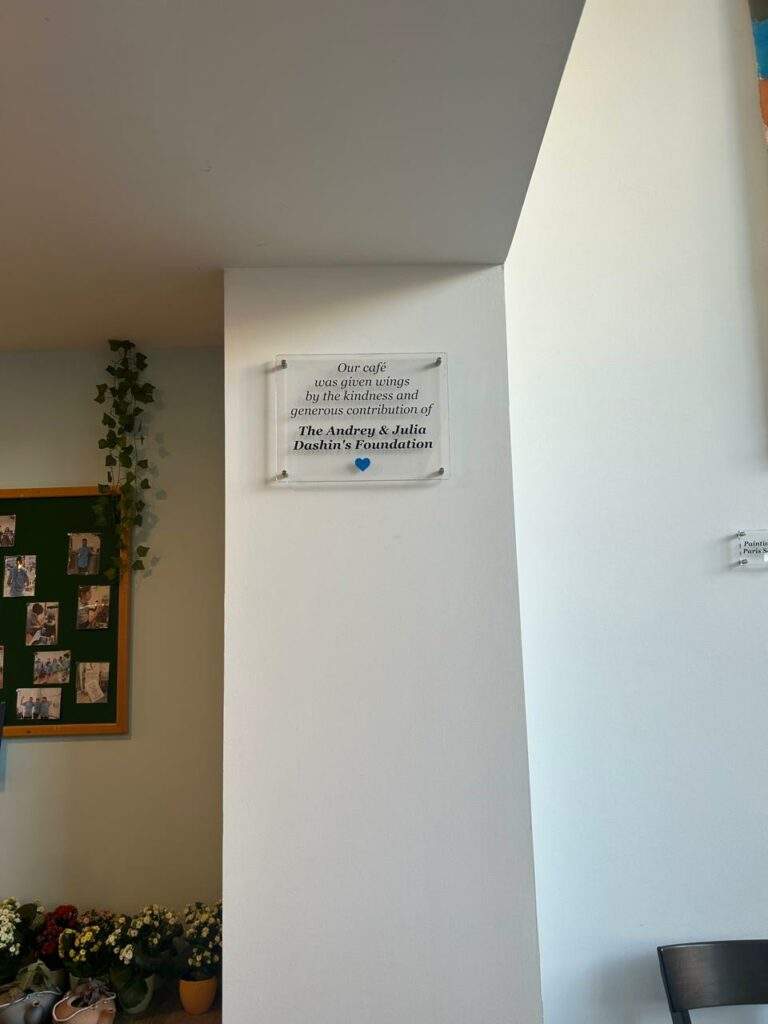
The Andrey & Julia Dashin Foundation also helped support the launch of the project, while other companies, including Eccombx, Dynamec, Wolt and Cablenet, later backed the effort. “That shows society is ready to support us,” Helen said.
The original vision was for 12 people with autism to work at the café alongside others who are not on the spectrum. Today, however, the team has grown further and now numbers 18 people.
Helen said the aim is not simply to create a job. “Social inclusion is not only about giving a job to a child on the autism spectrum. We are not doing anyone a favour. Inclusion means changing the climate, the dialogue. Here we created a space with a new language,” she said.
For her, the most important message is simple. “Everyone has a place in society,” she said. She added that the café was created to give a place to people who had spent years on the margins despite having much to offer. She pointed to Stella as an example, saying she had spent 12 years at home without going anywhere. Now, she said, Stella is happy and active.
She said that when these young people do not have a place where they belong, they are deeply affected, as are their families.
In closing, Helen said she was deeply moved by what had been achieved so far. “I hope we have opened the doors for other social enterprises like this as well. Behind what we created there is a dynamic team, but also the children themselves, who give us strength and support us,” she said.