

Police and veterinary services are investigating whether an outbreak of foot-and-mouth disease in Livadia was caused by animal feed smuggled from the north.
The Veterinary Services are currently working to contain the virus within a three-kilometre protection zone. According to reports obtained by Phileleftheros, police are discreetly investigating claims of illegal hay trade from the occupied areas. The fact that the affected farm in Livadia is located far from the buffer zone has reinforced suspicions that the virus entered through unregulated commercial activities.
While 23 premises within the protection zone have been placed under quarantine, concern is growing over reports of suspicious symptoms in animals outside the immediate area. Teams from the Veterinary Services have begun epidemiological and clinical investigations at the 23 units to check biosecurity measures. Daily sampling and inspections will continue in the zone to prevent further spread.
Under official protocols, these units will remain in quarantine for 21 days unless new cases emerge.
The culling of 260 cows at the infected farm is scheduled to begin today. Officials are currently waiting for guidance from Brussels on whether the carcasses should be buried or incinerated. Laboratory tests confirmed the virus in five cows from the initial samples taken at the site.
The Veterinary Services have placed all staff on high alert and notified the EU Directorate-General for Health and Food Safety, as well as the World Organisation for Animal Health (WOAH). Staff leave has been cancelled, and veterinarians are being redeployed from other districts to Larnaca to assist with tracing and inspections. A wider surveillance zone has also been established within a 10-kilometre radius of the outbreak.
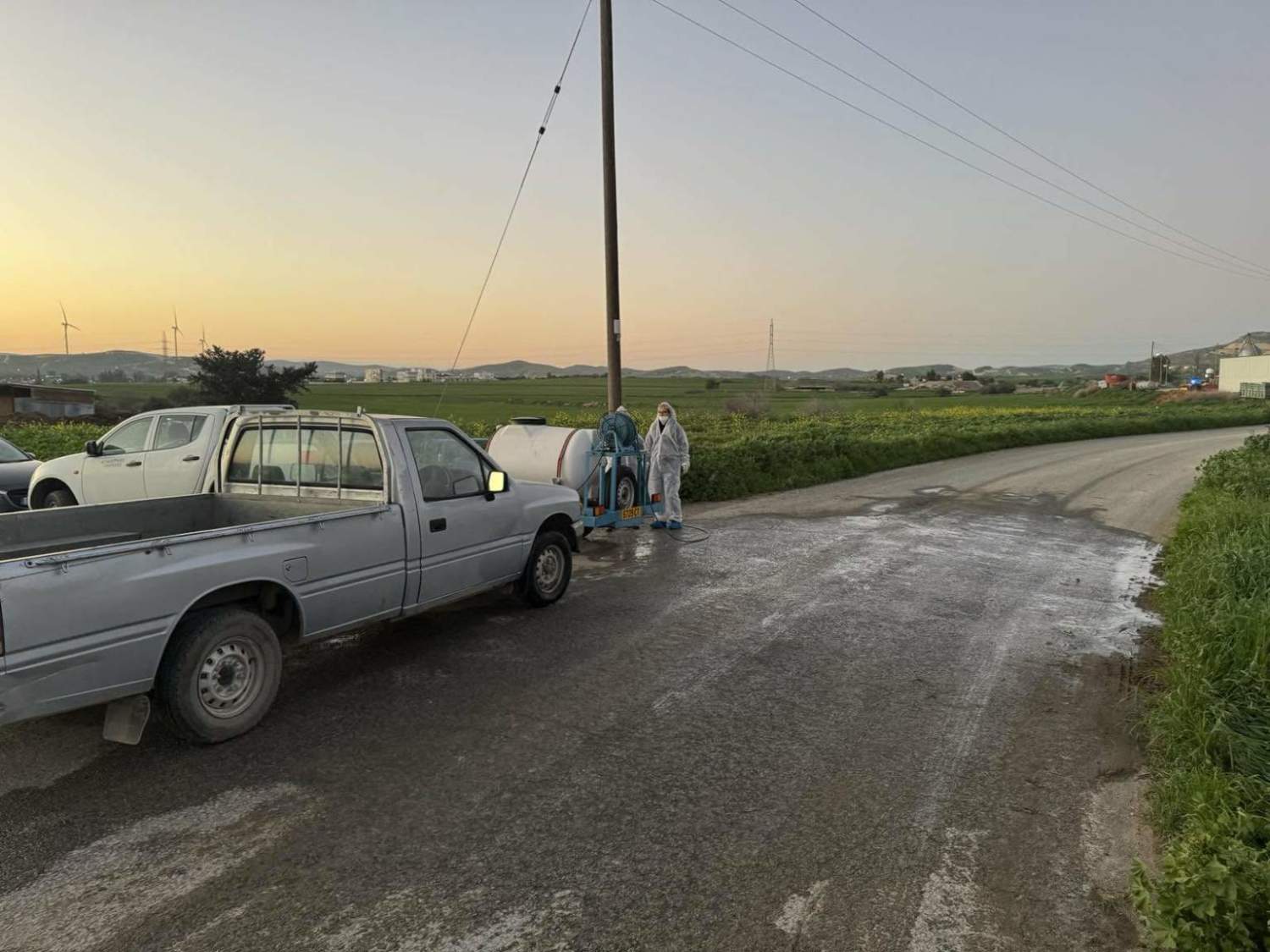
At an emergency meeting held yesterday, stakeholders finalised further steps to protect the country’s livestock.
Authorities have reassured the public that foot-and-mouth disease does not pose a threat to human health. Officials also confirmed that dairy products remain safe for consumption, as pasteurisation and strict quality controls ensure that milk, halloumi, and other derivatives carry no risk to consumers.