The Kourion archaeological site has completed approximately €3.5 million worth of upgrades that substantially change the appearance and function of the second most visited archaeological site on the island, with emphasis on monument protection, visitor experience and accessibility.
The works, completed in 2025, mark a new phase of operation for the site near Limassol, according to the Deputy Ministry of Culture.
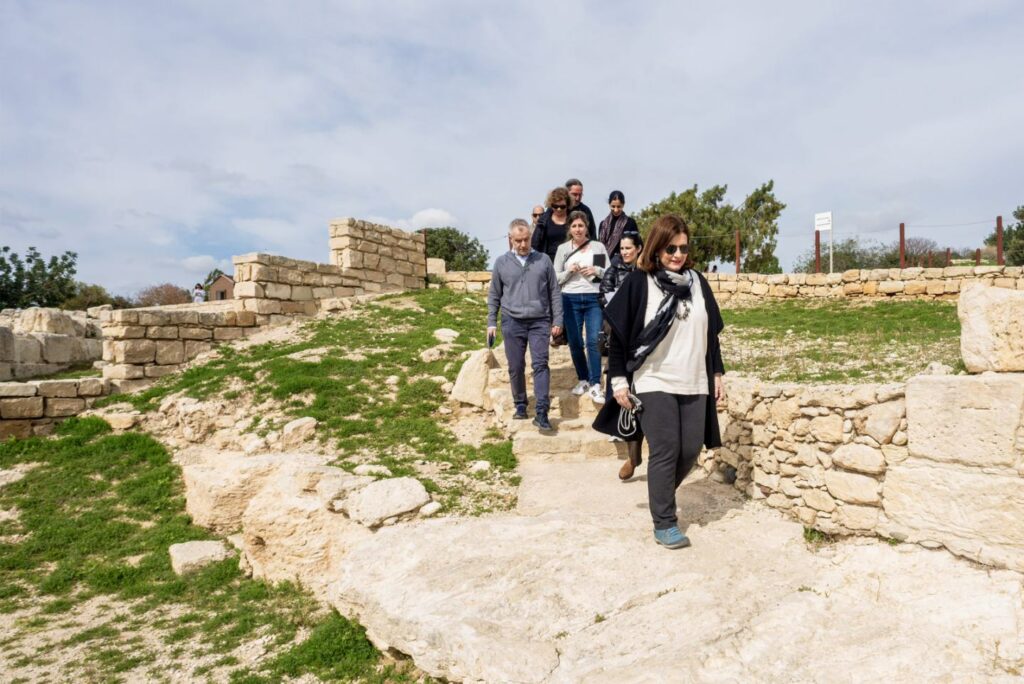
Deputy Minister of Culture Lina Kassianidou visited the site on Thursday to see the completion of major interventions and progress on conservation works still underway.
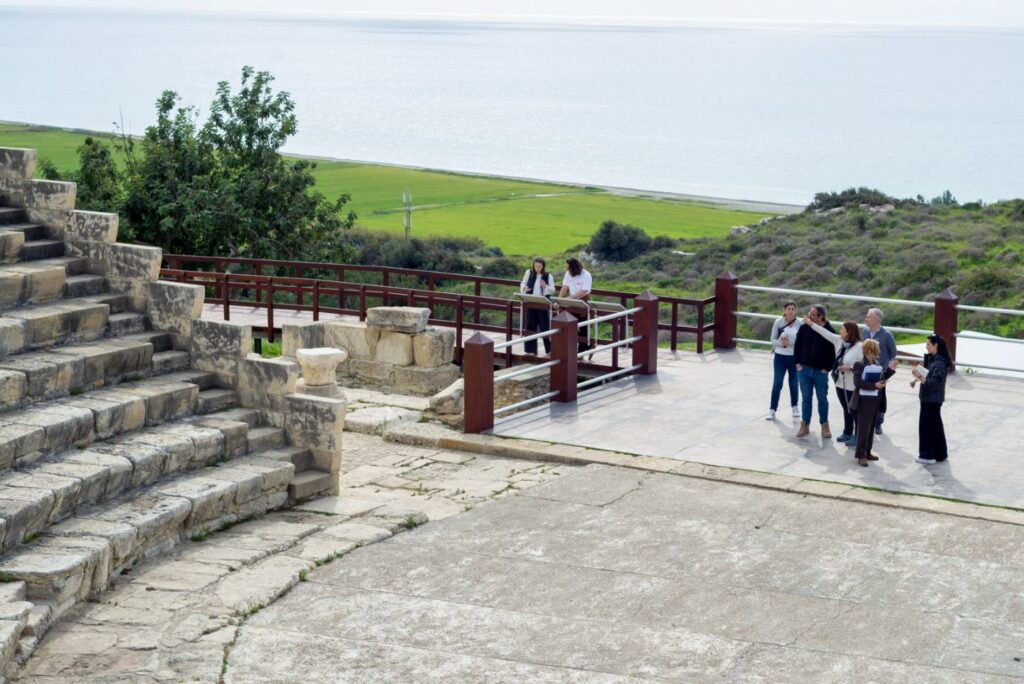
The central focus of interventions was protecting archaeological remains and mosaics through maintenance and replacement of shelter membranes, according to the ministry. The site’s electrical infrastructure was upgraded with new lighting in the ancient theatre to meet increased demands of summer performances.
The theatre also received a complete upgrade of dressing rooms, which now serve professional actors and musical ensembles, whilst incorporating modern hygiene facilities including spaces for people with disabilities.
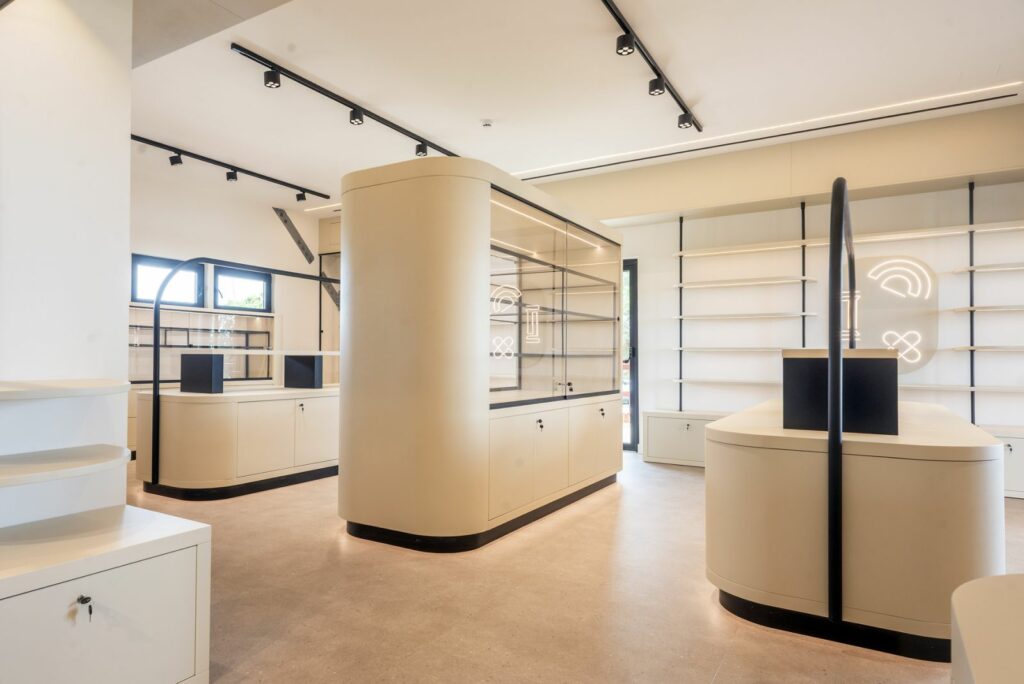
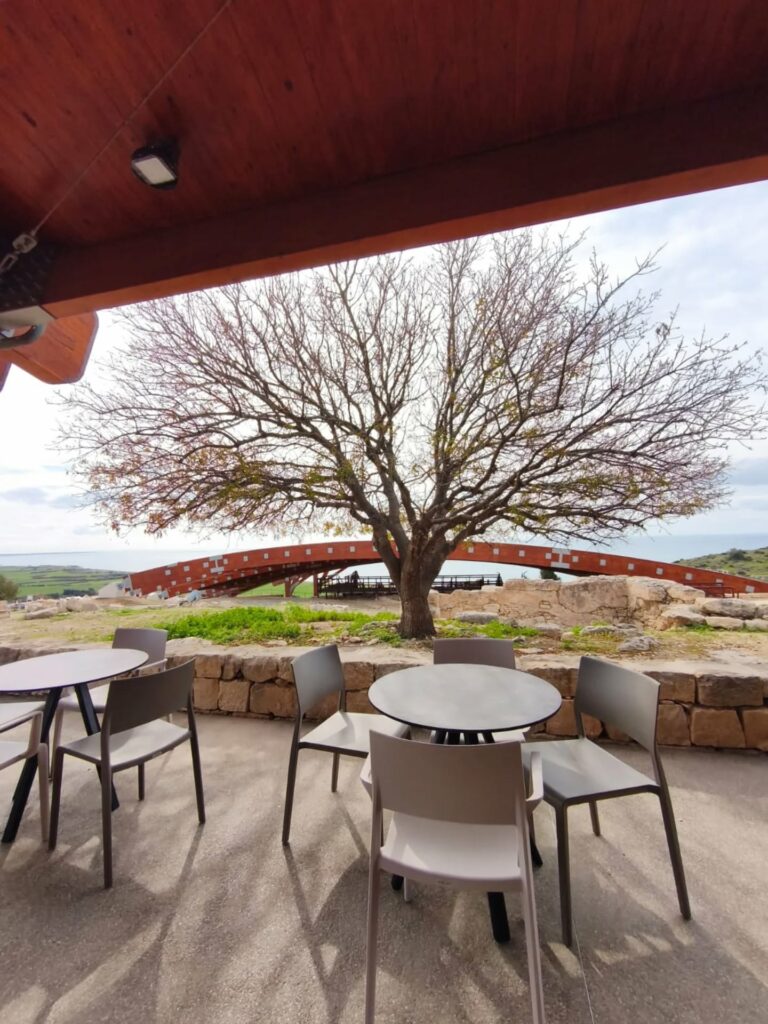
The largest part of the budget concerned the complete renovation of the Visitor Centre, which now features a modern shop, projection and lecture hall, new covered rest areas and upgraded public service facilities, according to the ministry.
Kourion is among the first archaeological sites in Cyprus where digital guides with QR codes have been installed, offering access to additional information at key points without interventions to the monument.
Major interventions were made in accessibility for people with disabilities, including footbridges, selected easy access points, special hygiene facilities in the upgraded dressing rooms for visitors with disabilities, and temporary wooden arrangements during performances so wheelchair users can attend theatre events. Braille signs have been installed to make the site accessible for visually impaired visitors.
Security at archaeological sites remains an open issue, according to the ministry. The Deputy Ministry of Culture is examining reinforcement of personnel as well as use of modern, non-invasive surveillance technologies in cooperation with Centres of Excellence that have relevant expertise for security systems not requiring lighting.
Kassianidou assured that priority is covering the need for more guards at Cyprus’s archaeological sites.
The upgraded site is also integrated into planning for Cyprus’s EU Council Presidency, with scheduled visits by institutional groups and potential inclusion in official cultural programmes. In May the site will host the Coreper I team from Brussels, whilst Kourion visits have been included in the excursion programme that ministries can choose during numerous Informal Councils being planned.
With these interventions, Kourion is not treated simply as a visitable monument but as a living cultural space where protection of cultural heritage combines with modern visitor experience, education and international promotion, according to the ministry.
Kassianidou said monument protection and upgrading visitor experience can and must coexist.