

What began as a niche hobby for a few friends has exploded into an island-wide movement, forcing lawmakers to confront a legal vacuum that currently leaves thousands of players in “illegal” limbo. Despite the growing popularity of airsoft—a military simulation sport—Cyprus still lacks a specific legal framework to regulate matches or equipment, leaving both enthusiasts and authorities in the dark.
Participants use high-precision replicas that fire low-power, non-metallic pellets. Unlike paintball, airsoft leans heavily into realism and tactical depth, with scenarios often described as a real-life “Call of Duty.”
Lockdown boom and the push for law
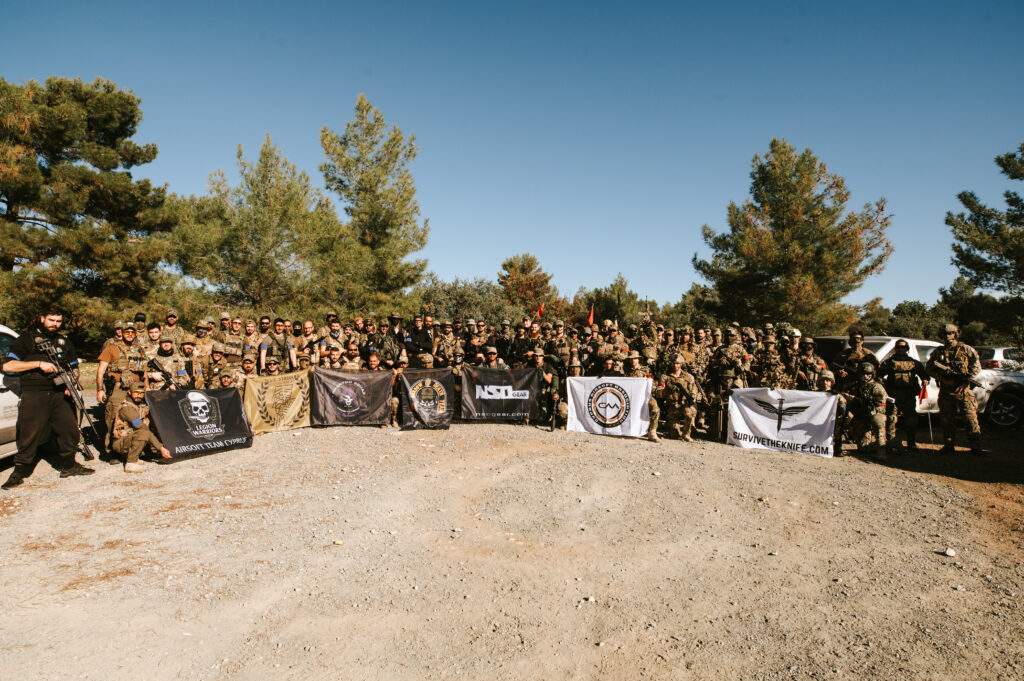
Argyris Argyrou, president of the Cyprus Airsoft Association, told «Phileleftheros» that interest skyrocketed by 70% during the pandemic as people sought organized outdoor activities. The association now boasts 133 formal members, but the community is much larger, with an estimated 6,000 airsoft replicas already on the island.
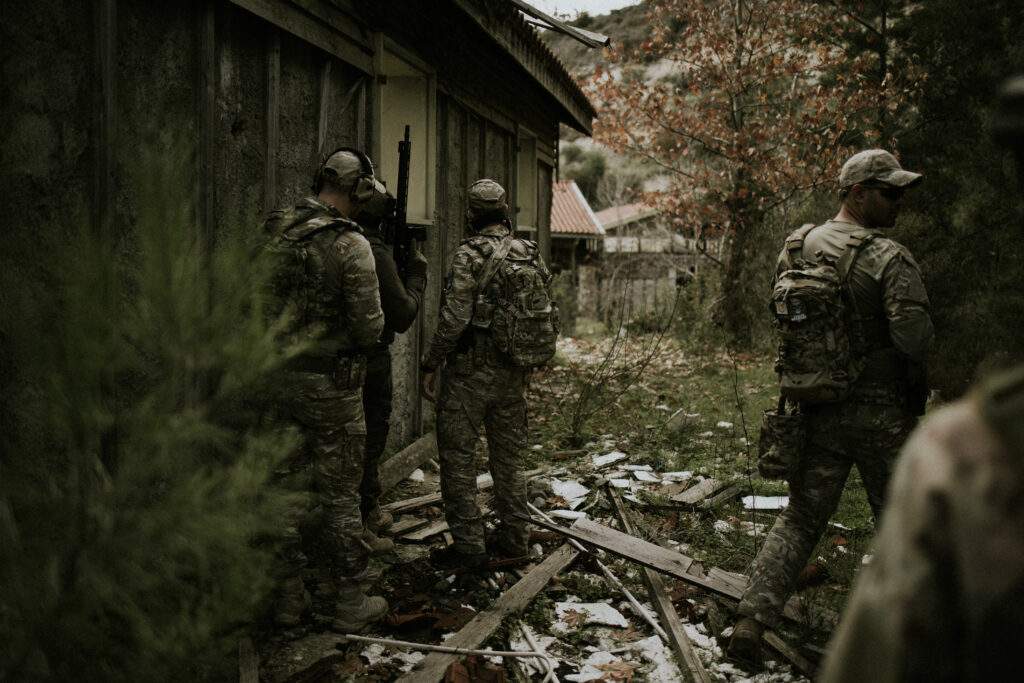
«In the beginning, it was a very closed circle. Since 2008, it has been considered “illegal” in Cyprus,» Argyrou said. The sport is currently “in the air” because it falls under general firearms legislation that does not distinguish between lethal weapons and low-power sporting replicas.
Parliament takes notice
The battle for legitimacy has reached the House of Representatives. DISY MP Prodromos Alambritis has submitted a bill to the Legal Affairs Committee, aiming to institutionalise the sport by January.
The proposal seeks to:
–Amend the Firearms Law: Mirroring the legal status of paintball to allow for regulated ownership and imports.
–Enhance Public Order: Create a clear registry and rules to prevent airsoft equipment from being misused or confused with real firearms.
–Support Youth Sport: Provide a legal outlet for a hobby that promotes discipline, teamwork, and responsibility.
Policing the “Battlefield”
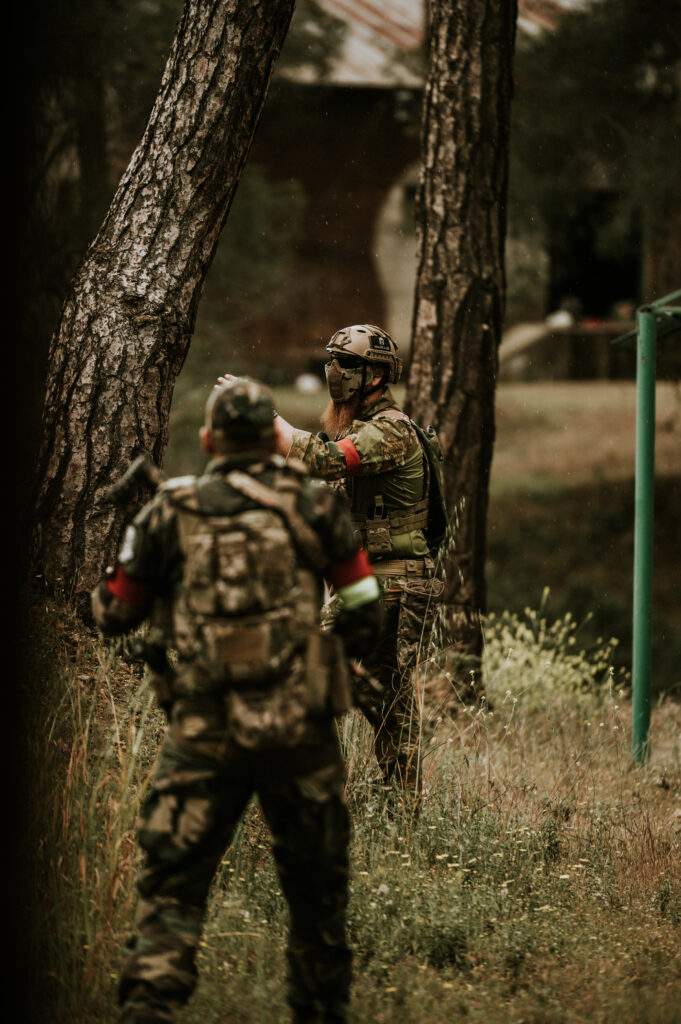
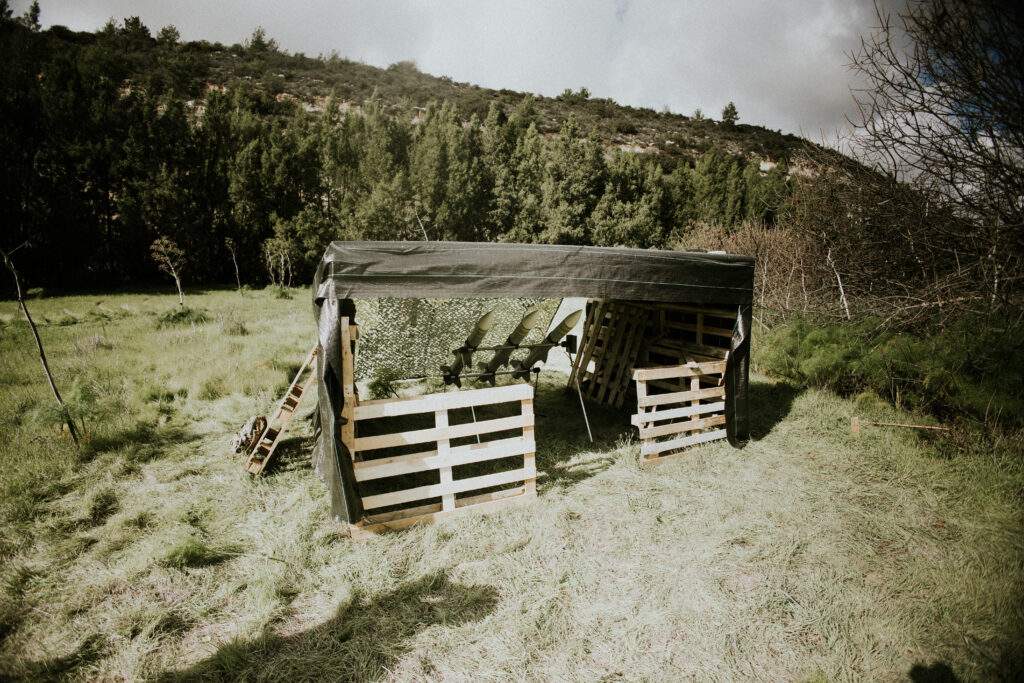
Safety remains the primary concern. Currently, airsoft is strictly for those over 18, and the Association enforces rigorous equipment checks. To prevent public alarm, the Association plans to coordinate closely with the police.
«We want to identify roughly 10 specific areas for matches,» Argyrou explained. Under the proposed plan, organisers would notify the local police station of the time and location of every game. Areas would be clearly marked to warn the public, and players use code words like «blind» to immediately halt play if a non-participant, such as a hunter, wanders into the zone.
The cost of combat
For those looking to join the ranks, the barrier to entry is financial rather than legal. A full competitive setup typically costs between €700 and €1,000, though basic kits start around €500.
Replicas: Prices range from €100 for entry-level models to €1,800 for high-end tactical gear.
Magazines: Electric magazines cost around €15, while gas-powered versions fetch up to €60.
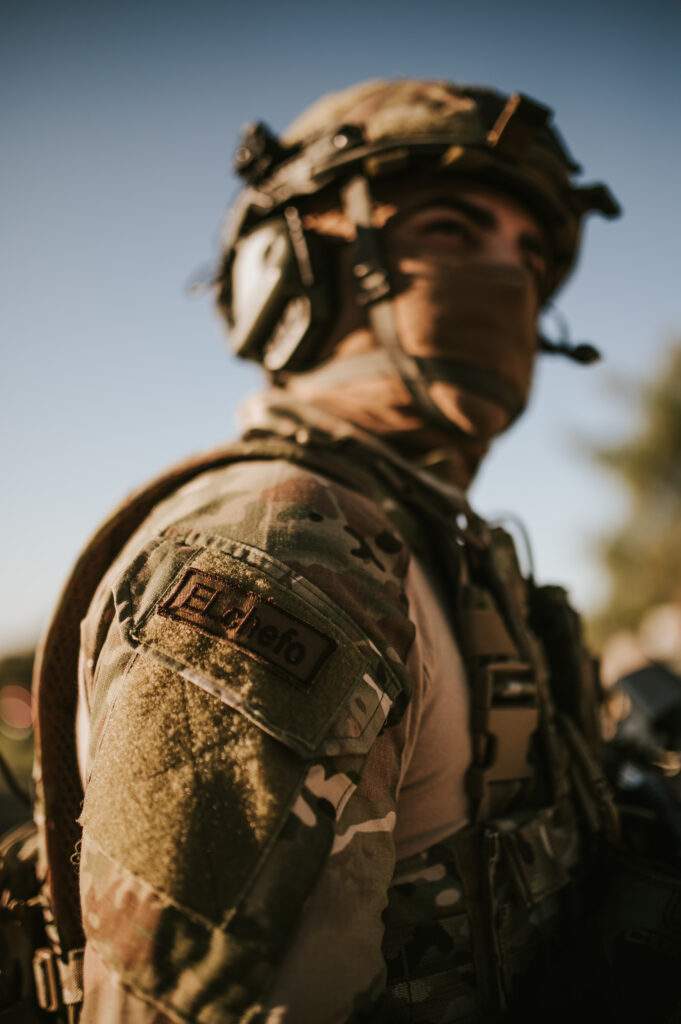
Essential Gear: Players must invest in safety goggles, masks, vests, and belts.
«We are family men and workers who simply love this sport,» Argyrou concluded. «We want to practice our hobby with safety and legality, just like the rest of Europe.»