

Cyprus and Greece will develop AI-powered satellites to detect fires, earthquakes and floods, alongside border surveillance radars and defence technologies, under a space cooperation agreement signed recently.
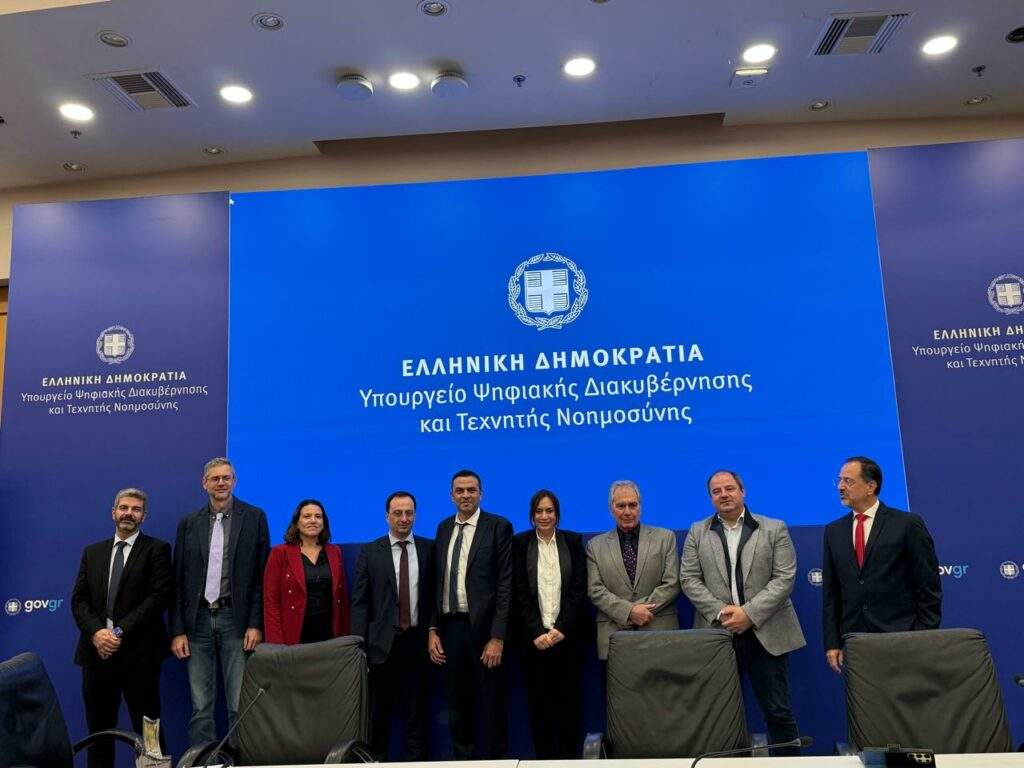
The memorandum between the Hellenic Space Technology & Applications Industry Association and the Cyprus Space Industry Association opens the door to potential collaboration with Israel and India on microsatellite technology, according to CSIA president Maria Constantinou.
The space sector partnership “is exceptionally important,” strengthens both countries and enhances their position globally whilst attracting international collaborations, Constantinou told Phileleftheros.
Defence and maritime security
A small satellite network with advanced imaging and radar capabilities will enable real-time border surveillance, maritime security and military intelligence. The system will provide rapid threat response data, strengthen operational readiness and protect strategic infrastructure in sensitive areas.
For maritime monitoring, microsatellites will detect illegal activities, oil spills and border violations – protecting critical sea routes where the geostrategic position makes technological autonomy essential.
Disaster management and agriculture
AI-enhanced satellite systems will provide early warnings for fires, earthquakes and floods, addressing resilience issues where natural disasters cause huge economic losses and threaten national stability.
Earth observation applications will serve precision agriculture, crop mapping, water resource management and deforestation monitoring – tackling strategic sustainability and food security challenges.
Communications autonomy
Hybrid communications and navigation systems will provide independent connectivity, reducing reliance on foreign networks and boosting resilience during crises – particularly vital for extensive island and maritime regions.
The partnership will also develop lighter, more durable composite materials that improve satellite performance whilst cutting costs, contributing to technological autonomy in defence and energy sectors.
International collaboration
Space technologies critically affect the economy, security, defence, communications and earth observation, Constantinou emphasised. “The two countries unite their forces,” she said, leveraging complementary capabilities to create a cooperation framework “highlighting space as a pillar of national and regional power.”
The two state-recognised space industry bodies are building a competitive chain targeting European and international markets, with potential Greece-Cyprus collaborations involving Israel and India.
Particular emphasis falls on microsatellite technology – cutting edge for remote sensing, communications, navigation and defence applications. Through joint actions, ESA programme participation and exhibition presence, the partnership aims to boost exports, employment and technological development.
The memorandum covers thematic workshops, know-how exchange to support state policies, trilateral cooperation with countries of high space expertise, and investments in product certification.
“Through these actions, space becomes a powerful tool for development, innovation, security and international projection,” Constantinou said. The agreement enhances strategic autonomy, fortifies capabilities and positions Cyprus and Greece among reliable players in the international space ecosystem.
The signing marks the beginning of a new era where space becomes a tool for progress, enhancing security, innovation and international presence, she added.
CSIA from its first steps aimed to function as a cooperation platform between Greek and Cypriot companies, strengthening trust and coordination in both space and defence sectors.
“Strong partnerships are built primarily on trust, human contact and common vision,” Constantinou said, highlighting the bonds between the two countries.
Read more: